





What Joint Compound to Use for Taping? Best Drywall Mud Guide
Release time: August 27 2026
Views: 123
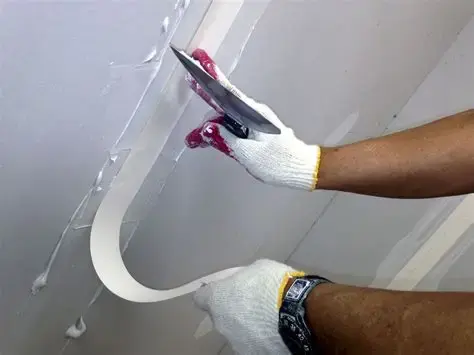
Choosing the right joint compound for taping is one of the most important decisions in drywall finishing. The compound used beneath drywall tape determines whether joints remain stable, resist cracking, and create a smooth surface for later coats, primer, paint, wallpaper, or other decorative finishes.
For most drywall taping projects, standard-weight all-purpose joint compound is the most reliable choice. It provides strong adhesion for embedding paper tape and can also be used for subsequent filling and finishing coats. A dedicated taping compound is another excellent option when maximum bonding strength is required. For fiberglass mesh tape, deep repairs, wide gaps, or fast-track projects, a setting-type joint compound is usually the better choice.
This guide explains which joint compound to use for taping, how different types perform, where each product fits in the finishing process, and how contractors can avoid common failures such as tape bubbles, cracking, and weak seams.
What Is Joint Compound Used for in Drywall Taping?
Joint compound, often called drywall mud, is used to conceal and reinforce the joints between gypsum boards. During taping, installers apply a thin but continuous layer of wet compound over a drywall seam, embed tape into the compound, and wipe away excess material with a taping knife.
The compound does more than hide the gap. It creates a bonding layer between the tape and the gypsum board, supports the tape across the joint, and provides a base for the wider fill and finish coats that follow.
A typical drywall finishing sequence includes:
Filling or pre-filling large gaps, damaged edges, and fastener recesses.
Applying compound to the joint and embedding drywall tape.
Covering the embedded tape with a second, wider coat.
Applying a final finish coat with a broad knife or finishing tool.
Sanding, inspecting, priming, and decorating the finished surface.
The first coat is especially important because it must provide strong tape adhesion. If the tape is poorly bonded at this stage, later coats cannot fully correct the issue. Loose tape edges, blisters, visible seams, cracking, and delamination may appear after painting.
The Best Joint Compound for Taping
The best overall answer is simple: use all-purpose joint compound for paper tape, and use setting-type joint compound for fiberglass mesh tape.
All-purpose compound is commonly used for embedding tape because it has the adhesion, workability, and open time needed for standard drywall finishing. It can also be used to cover corner bead, fill fasteners, repair minor surface damage, and apply additional coats.
For many contractors and distributors, this makes all-purpose compound the practical default choice. It reduces the number of products required on site and helps simplify inventory, training, and application procedures.
However, not every project has the same requirements. The correct choice depends on tape type, joint condition, environmental conditions, schedule, desired finish level, and whether the installer is working by hand or with automatic taping tools.
Job condition | Recommended compound | Main reason |
Standard drywall seams with paper tape | Standard-weight all-purpose compound | Strong bonding, good working time, versatile use |
High-strength first coat | Dedicated taping compound | Designed primarily for tape adhesion and initial joint treatment |
Fiberglass mesh tape | Setting-type compound | Stronger repair system and faster chemical setting |
Deep cracks, holes, or open joints | Setting-type compound | Better for filling, patching, and reducing shrinkage |
Small residential repair | All-purpose or setting-type compound | Choice depends on repair depth and required drying speed |
Second coat over embedded tape | Lightweight all-purpose or mid-weight compound | Easier spreading and sanding |
Final skim coat | Topping compound or lightweight finishing compound | Smooth finish and improved sanding efficiency |
One-product approach | All-purpose compound | Can be used for taping, filling, and finishing |
Why Standard-Weight All-Purpose Compound Works Well
Standard-weight all-purpose compound is a ready-mixed material formulated for multiple drywall finishing stages. Its key advantage is balanced performance: it bonds well enough for tape embedding while remaining workable for filling and finishing.
For taping, the compound needs to remain wet long enough for the installer to position the tape, remove wrinkles, squeeze out air, and feather the edges. Ready-mixed all-purpose compound provides this working time, making it suitable for both experienced drywall finishers and less experienced installers.
It is especially effective with paper drywall tape, including flat joint tape and folded tape for inside corners. Paper tape is embedded into a wet bed of compound, pressed firmly into place, and wiped down with a knife. The compound’s bonding agents help secure the tape to the gypsum-board facing.
Standard-weight products are generally preferred over ultra-lightweight or finishing-only compounds when tape adhesion is the main priority.
Advantages of standard-weight all-purpose compound include:
Strong adhesion for paper tape.
Long working time for hand application.
Suitable for walls, ceilings, joints, corners, and fasteners.
Can be used for all three finishing coats.
Widely available through building-material distributors and retail channels.
Compatible with many conventional gypsum-board finishing systems.
The tradeoff is that standard-weight all-purpose compound can be harder to sand than topping compound or lightweight finishing mud. This is why many professional finishers use it for the tape coat, then switch to a lighter material for wider second and third coats.
When to Use a Dedicated Taping Compound
A dedicated taping compound is formulated specifically for the first coat of drywall finishing. It typically offers higher bonding strength and may provide better resistance to cracking than a lightweight finishing material.
Taping compounds are most useful when the project requires a durable initial coat, including:
Large commercial drywall installations.
High-traffic buildings.
Multi-family residential projects.
Long continuous drywall joints.
Ceiling joints and butt joints.
Areas with greater vibration or minor structural movement.
Projects using automatic taping tools.
Jobs where installation quality and long-term joint performance are critical.
Because taping compound is optimized for adhesion, it may have greater shrinkage and be more difficult to sand than a topping compound. That is not usually a problem because the tape coat should be relatively thin and is covered by broader finishing coats.
For building-material manufacturers, this distinction is useful when developing a drywall finishing product range. A complete system can include a high-adhesion taping compound, a general-purpose compound, and a low-shrinkage topping compound. This gives contractors an option for each stage while supporting a consistent specification across the jobsite.
When Setting-Type Compound Is the Better Choice
Setting-type joint compound is a powdered material that hardens through a chemical reaction after water is added. It is often called “hot mud,” although it does not become hot during normal application.
Unlike ready-mixed compound, which dries as water evaporates, setting-type compound begins to harden after its rated working time. Common options include 20-minute, 45-minute, 90-minute, and longer setting times. The number generally indicates the approximate working or setting period, although actual performance can be affected by water temperature, mixing ratio, ambient temperature, and humidity.
Setting-type compound is particularly appropriate for:
Embedding fiberglass mesh tape.
Repairing cracks in drywall.
Filling large gaps at board edges.
Repairing damaged corners.
Patching holes and impact damage.
Fast-turnaround repair projects.
Cold or humid environments where air-drying materials cure slowly.
Projects requiring multiple coats within a limited schedule.
Setting-type compounds as the appropriate selection for fiberglass mesh tape applications. Fiberglass mesh tape has an open grid structure and is often used for repairs and flat joints. A setting-type compound helps create a stronger and more stable repair because it hardens chemically and can perform well in thicker applications.
However, setting-type compound requires careful mixing and timing. Workers should mix only the amount that can be applied within the product’s usable working period. Once the material begins to set, adding water does not restore its original performance. Re-tempering partially set compound can reduce strength, create poor workability, and lead to inconsistent finishes.
Can Lightweight Joint Compound Be Used for Taping?
Some lightweight all-purpose compounds are marketed for taping, filling, and finishing. When a manufacturer specifically approves the product for tape embedding, it can be used as part of a complete drywall finishing system.
Lightweight compounds are easier to spread, can reduce installer fatigue, and usually sand more easily than standard-weight all-purpose compound. These features may improve productivity during wide second coats, skim coats, and large-area finishing work.
Still, lightweight material is not always the first choice for the initial tape coat. In demanding applications, installers often prefer standard-weight all-purpose or dedicated taping compound because these materials generally provide stronger adhesion for the tape bed.
The key is to read the product data sheet rather than relying only on terms such as “lightweight,” “finishing,” or “all-purpose.” Product formulas vary by manufacturer. A compound labeled all-purpose may be approved for tape application, while a topping compound may be intended only for finish coats.
How to Apply Joint Compound for Taping
Proper material selection matters, but application technique is equally important. Even the best joint compound can fail if tape is installed over a dry, thin, or uneven bed of mud.
Follow these steps for paper tape:
Inspect the drywall joints. Remove dust, loose paper, fastener protrusions, and damaged board edges. Fill unusually wide gaps before taping.
Apply a continuous bed of all-purpose or taping compound over the joint. The compound should fully cover the seam and extend slightly beyond the tape width.
Place paper tape into the wet compound. For flat seams, center the tape over the joint. For inside corners, crease the tape along its center fold before application.
Embed the tape with a drywall knife. Start near the center and work outward to remove excess compound and trapped air.
Leave enough compound beneath the tape. Do not press so hard that the tape becomes dry or loses its bonding layer.
Check for bubbles, wrinkles, and loose edges. Correct defects while the compound remains wet.
Allow the first coat to dry fully before applying the next coat.
Apply wider fill and finish coats, feathering each coat beyond the previous one.
For fiberglass mesh tape, first install the tape over the joint, then apply setting-type compound through the mesh. Ensure the compound fully fills the mesh openings and bridges the joint evenly.
Common Taping Problems and Their Causes
Tape bubbling is one of the most common drywall finishing problems. It often occurs when the tape does not have enough compound beneath it or when air becomes trapped during embedding. Applying compound too thinly, wiping too aggressively, or working over dusty surfaces can all contribute to bubbling.
Tape edge lifting can result from weak adhesive properties, insufficient compound coverage, poor surface preparation, or premature recoating. A dedicated taping compound or standard-weight all-purpose compound can help reduce this risk when properly applied.
Cracking may occur when joints are poorly filled, drywall boards move, fasteners are loose, or thick compound layers shrink excessively. For repairs and wide gaps, setting-type compound can provide better stability than a thin ready-mixed coating.
Visible seams after painting are often caused by narrow finishing coats, uneven sanding, poor lighting during inspection, or insufficient feathering. The tape coat is only the first stage; a smooth Level 4 or Level 5 finish requires progressively wider coats and careful surface preparation.
Final Recommendation
For most paper-tape drywall joints, use standard-weight all-purpose joint compound for the first taping coat. It offers the best balance of adhesion, workability, availability, and versatility.
Use a dedicated taping compound when stronger tape bonding is the primary requirement. Choose a setting-type compound for fiberglass mesh tape, deeper repairs, large gaps, and fast-track work. Reserve lightweight and topping compounds primarily for the second and final coats, where easy sanding and smooth feathering provide the greatest benefit.
By matching the joint compound to the tape type and finishing stage, contractors can create stronger drywall joints, reduce rework, improve painting results, and deliver a more durable finished wall system.


