





Technical Articles

-
Common Quality Issues with Tile Adhesive: Causes and Solutions
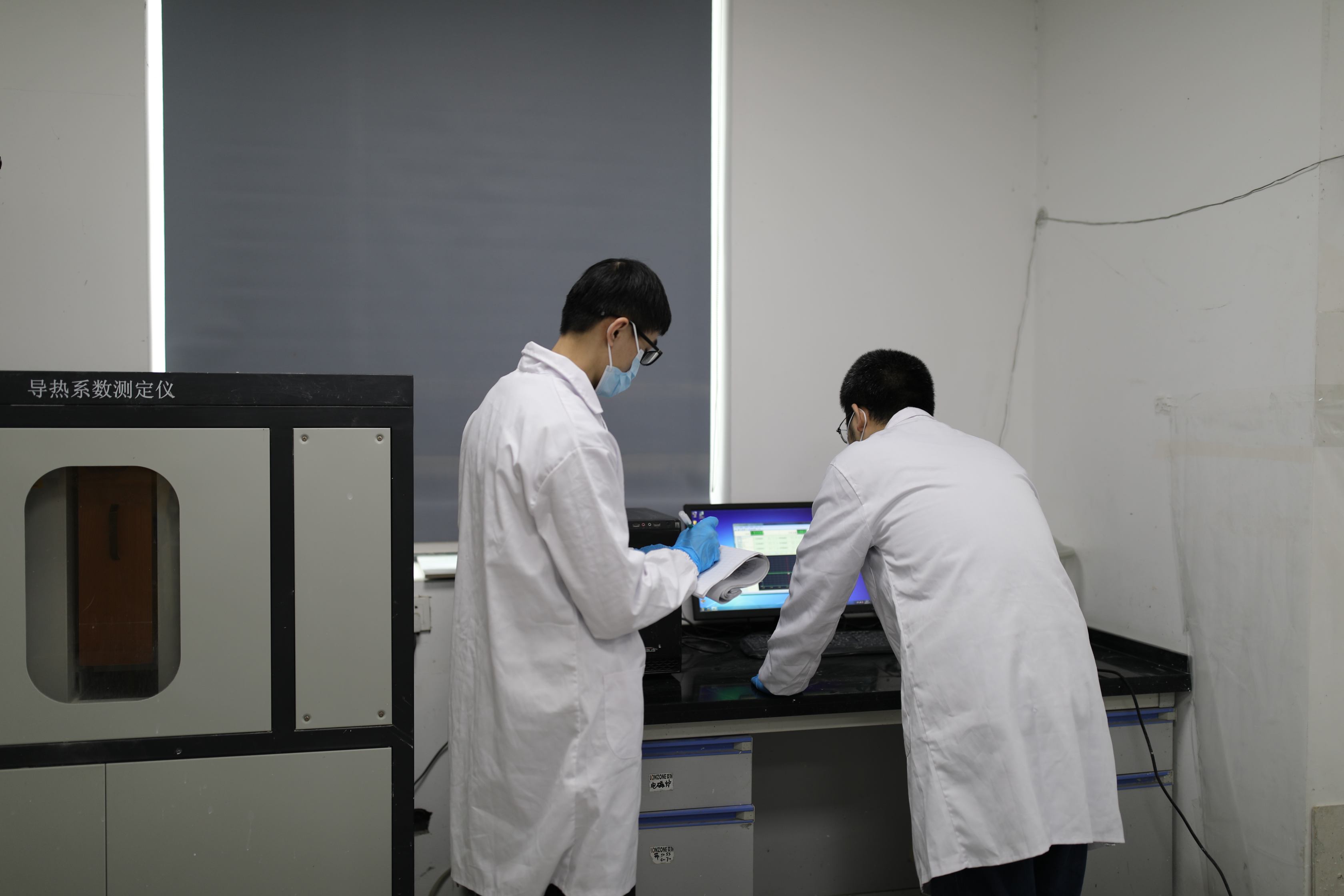
Quality problems with tile adhesive primarily fall into two categories: inherent product defects and application failures caused by improper installation. Improper installation accounts for over 80% of issues, with both factors often interacting. Core problems center on three types: bonding failure, cosmetic defects, and poor durability.
-
Core Performance Indicators for Tile Adhesives (National Standard Requirements, Key Factors for Assessing Product Quality)
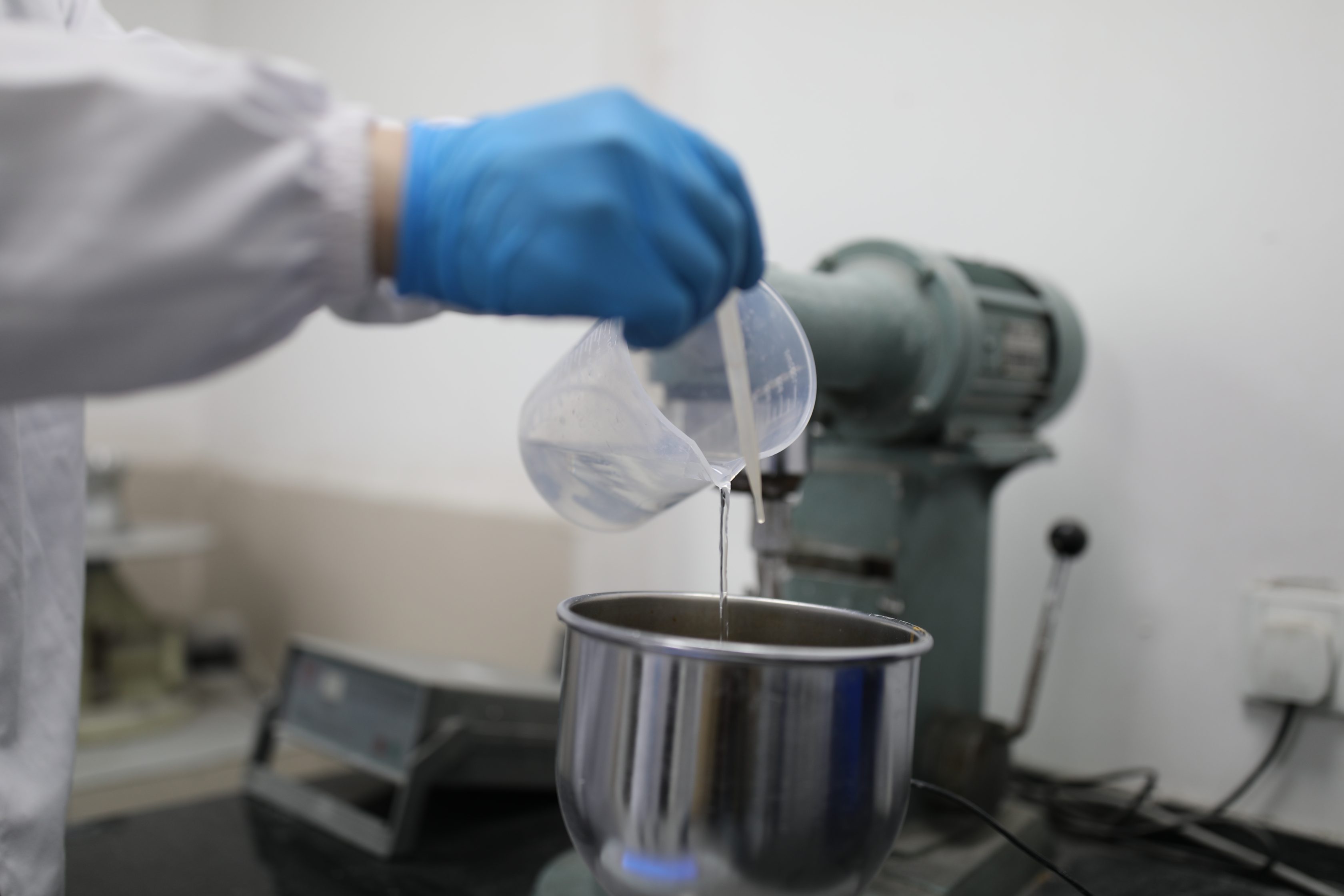
The performance of tile adhesives must comply with the national standard GB/T 25181-2019 “Ceramic Tile Adhesives.” Core performance indicators determine the product's application effectiveness and suitability for specific scenarios, primarily categorized into physical and mechanical properties and application performance. Among these, bonding strength is the core indicator.
-
Tile Adhesive Product Classification and Application Scenarios (Classified per National Standards; Precise Selection is Key)
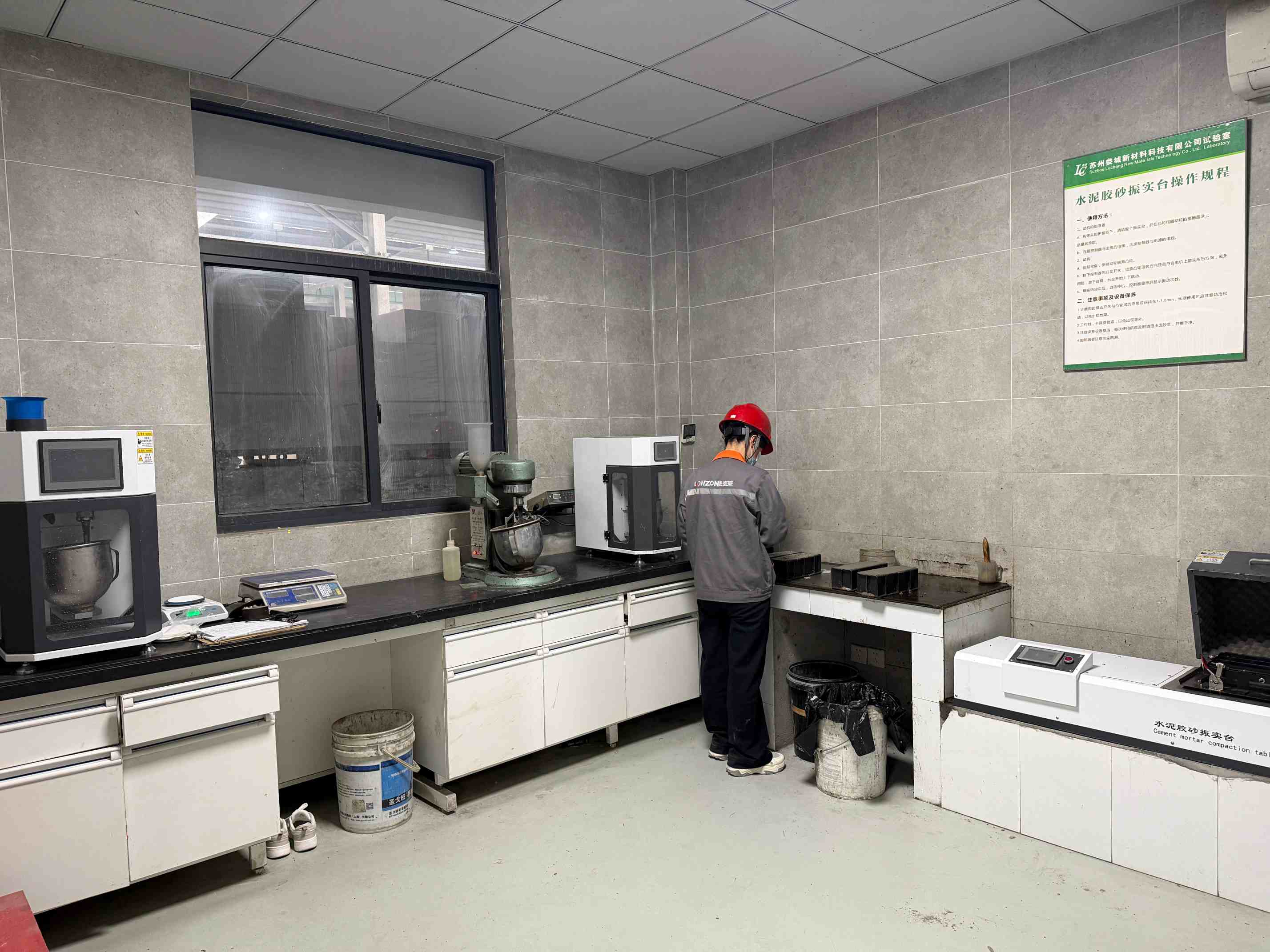
According to GB/T 25181-2019, Tile adhesives are categorized into two primary strength grades—C1 and C2—based on bonding strength and flexibility. They are further divided into two main types: standard (N) and flexible (E). This results in four mainstream categories: C1N, C1E, C2N, and C2E. Specialized variants, such as heavy-duty tile adhesives and stone slab adhesives, are also available. Each category exhibits distinct suitability for specific applications, and incorrect selection is the primary cause of tile installation quality issues. The detailed classification and applications.
-
Quality Control and Core Construction Points for Tile Adhesive (Key to Avoiding Quality Issues)
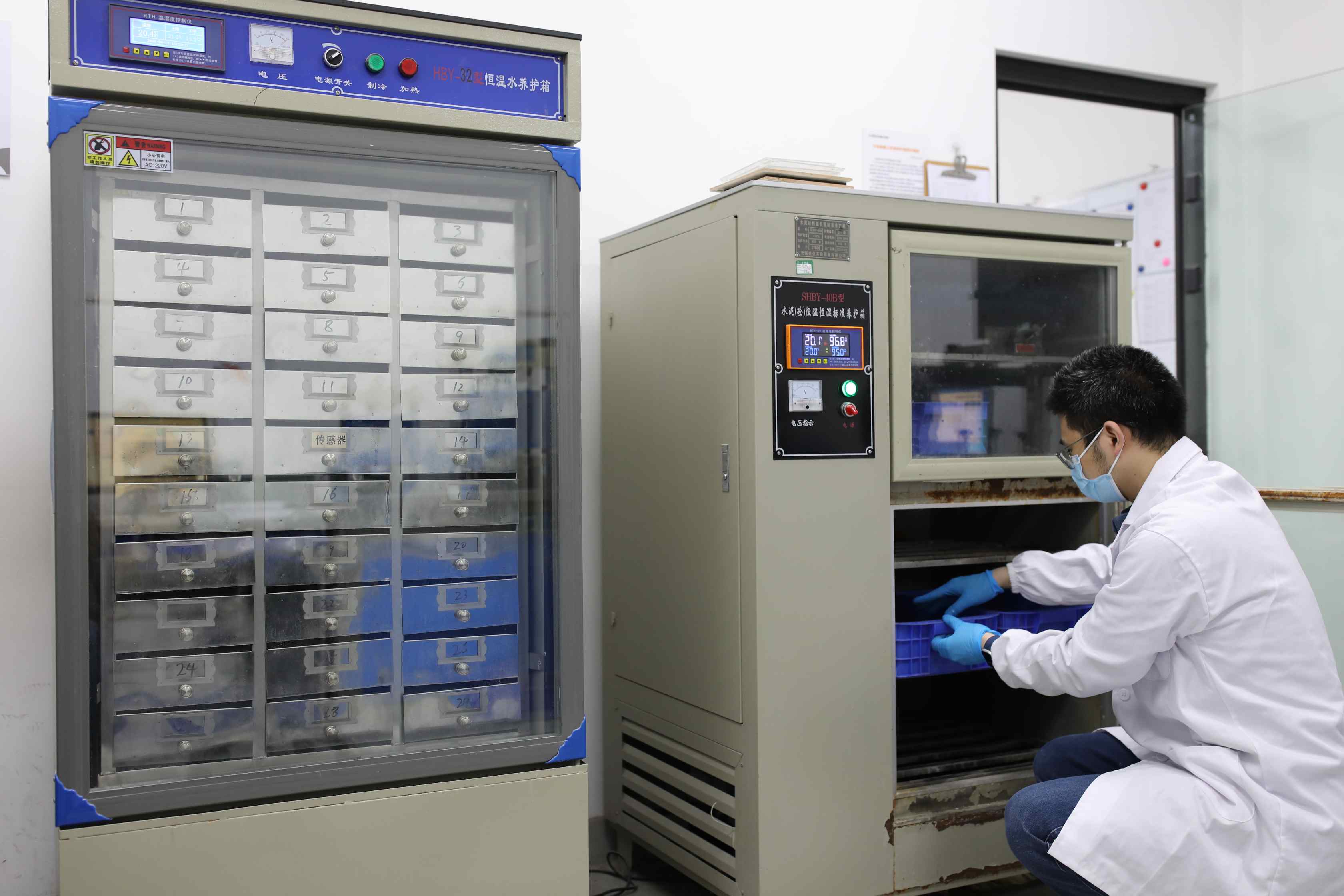
Selection Principles: Prioritize reputable brand products compliant with the national standard GB/T 25181-2019. Inspect the product packaging for compliance standards, grade, production date, shelf life, and usage instructions to avoid purchasing counterfeit or substandard products. Select the appropriate grade based on the installation scenario and tile specifications—neither blindly pursue higher grades nor arbitrarily lower standards.

Quality problems with tile adhesive primarily fall into two categories: inherent product defects and application failures caused by improper installation. Improper installation accounts for over 80% of issues, with both factors often interacting. Core problems center on three types: bonding failure, cosmetic defects, and poor durability. Specific details are as follows:
(1) Core Quality Issue: Bonding Failure (Most Common, Directly Causing Tile Detachment and Hollow Spots)
Tile Hollow Sound
he tile produces a hollow sound. Edges may lift, with potential future detachment. Hollow areas typically occur at tile centers or corners.
Causes: Poor water retention in the product; substrate absorbs tile adhesive moisture too quickly, preventing adequate curing; uneven application or missed spots during installation, or improper use of notched trowels; residual dust or grease on the substrate prevents proper bonding between the adhesive and substrate.
Solutions/Prevention: Use tile adhesive meeting water retention standards. Thoroughly clean and dampen the substrate before application (no standing water). Employ the thin-bed method, evenly applying adhesive with a notched trowel. For large tiles, apply adhesive to both the tile back and substrate surface. Remove and reinstall tiles if more than 20% of the surface is hollow. For small hollowed areas at edges or corners, inject tile adhesive repair compound to reinforce.
Tile Detachment
Manifestation: Tiles detach entirely or partially from the substrate/wall surface. This occurs in two scenarios: separation between the substrate and adhesive layer, or separation between the adhesive layer and tile. Exterior walls and humid areas like kitchens and bathrooms are more prone to this issue.
Causes: - Insufficient adhesive strength (e.g., using low-grade tile adhesive for large, heavy tiles); - Residual release agents or grease on tile backs; - Non-waterproof or non-freeze-thaw resistant tile adhesive used outdoors; - Excessively thick/thin adhesive layer causing internal stress after curing.
Solutions/Prevention: Strictly select products based on tile specifications and application scenarios; remove contaminants from tile backs with specialized degreasers and release agents before installation; use water-resistant and freeze-thaw resistant tile adhesives for outdoor and humid areas; control adhesive layer thickness between 3–5mm, the thickness of the large tile adhesive layer shall not exceed 8 mm.
Invalidated due to prolonged exposure time
Manifestation: After applying tile adhesive, delayed tile installation due to slow operation causes surface skinning of the adhesive layer. Subsequent tile bonding strength significantly decreases, leading to hollow spots and detachment within a short period.
Causes: Insufficient open time (curing period) of the tile adhesive, or high ambient temperature and strong wind speeds during application causing rapid surface drying and skin formation; failure to adhere to the “apply and tile immediately” principle.
Solution/Prevention: Select tile adhesive with appropriate open time based on environmental conditions (choose longer open time for high temperatures and strong winds). During summer construction, ensure shade and wind protection. Complete tile placement within 10–20 minutes after adhesive application. Remove and reapply any adhesive layer that has formed a skin.
(2) Appearance-Related Quality Issues (Affecting Aesthetics, Some Implicitly Pose Durability Risks)
The tile surface exhibits efflorescence, appearing as a white frost-like substance.
Manifestation: A white powdery substance appears on the tile surface or in the grout lines. It reappears repeatedly after wiping, severely affecting aesthetics and potentially corroding the tile glaze.
Causes: Excessive calcium hydroxide content in tile adhesive migrates to the tile surface upon contact with water, reacting with atmospheric CO₂ to form calcium carbonate; excessive moisture content in the substrate causes alkaline substances to leach out with water; use of tile adhesive not treated for alkali resistance, or improper curing after application.
Solution/Prevention: Select low-alkaline tile adhesive. Control substrate moisture content prior to application (wall <10%, floor <8%). Ensure adequate ventilation and curing after application to prevent water accumulation on the substrate. For initial efflorescence, wipe with a weak acid solution (e.g., white vinegar water). For recurring efflorescence, inspect substrate waterproofing and reapply adhesive layer.
Adhesive layer cracking, tile cracking
Manifestation: Fine cracks appear in the tile adhesive after curing, sometimes extending to the tile surface and causing tile cracking. This occurs primarily in high-stress floor areas or wall inside/outside corners.
Causes: Excessive shrinkage rate of the tile adhesive generates shrinkage stress during curing; cracks in the substrate were not treated with anti-crack measures, allowing stress to transfer to the adhesive layer and tiles; selection of overly rigid tile adhesive that cannot buffer substrate deformation; Failure to provide expansion joints for large-format tiles.
Solutions/Prevention:
Select low-shrinkage tile adhesive; apply crack-resistant mesh over substrate cracks before application;
Provide 2–3mm expansion joints for large-format tiles and stone installations;
Use flexible tile adhesive at stress-concentration points like inside/outside corners to enhance deformation tolerance.
(3) Durability-related quality issues (manifesting after prolonged use and affecting service life)
Poor water resistance; adhesion decreases after water exposure.
Manifestation: In water-exposed areas like kitchens, bathrooms, and balconies, tile adhesives experience significantly reduced bonding strength after prolonged water contact, leading to hollow spots, detachment, and softening of the adhesive layer when wet.
Causes: Use of non-waterproof tile adhesives (e.g., non-waterproof C1-type); poor quality of cementitious materials and additives in the adhesive formula, causing hydration products to decompose upon water exposure; inadequate substrate waterproofing allowing long-term moisture penetration into the adhesive layer.
Solutions/Prevention: - Use water-resistant tile adhesives (e.g., C1E, C2E) in damp or water-exposed areas. - Ensure substrate waterproofing is completed before application and pass water retention tests. - Avoid exposing the adhesive layer to water before full curing.
Poor freeze-thaw resistance, outdoor tiles detaching
Manifestation: In northern outdoor settings, tile adhesive undergoes multiple freeze-thaw cycles, resulting in a crumbly, cracked adhesive layer, tile detachment, and a sharp decline in bonding strength.
Causes:
- Use of tile adhesive lacking freeze-thaw resistance;
- Excessively high porosity in the adhesive layer, allowing water ingress that freezes and expands, disrupting the adhesive structure;
- Failure to apply freeze protection to the outdoor substrate, where substrate freezing and cracking caused damage to the adhesive layer.
Solutions/Prevention:
- Select freeze-thaw resistant tile adhesive for outdoor low-temperature areas, ensuring proper substrate insulation and waterproofing;
- Ensure high density during adhesive application to reduce porosity, and implement protective measures after curing.
Aging, powdering
Manifestation: Tile adhesive exposed to prolonged UV radiation and high temperatures exhibits surface powdering and flaking, with gradually diminishing bonding strength. This is commonly observed on unprotected exterior wall areas.
Causes: Organic additives in the tile adhesive demonstrate poor aging resistance and decompose under UV exposure; use of low-quality tile adhesive with insufficient hydration of inorganic cementitious materials; Exterior walls lack waterproofing and sun-protective coatings, exposing the adhesive layer directly to environmental erosion.
Solutions/Prevention: Select tile adhesives containing anti-aging additives; apply surface protection after exterior wall tiling; avoid low-cost, substandard tile adhesives; prioritize products meeting national standards.
(4) Product Quality Defects (Root Cause Issues Originating from the Production Process)
Imbalanced Proportions: Improper ratios of cementitious materials (cement, lime), aggregates, and additives during production result in core performance metrics—such as bonding strength, water retention, and workability—failing to meet standards.
Substandard Raw Materials: Use of expired cement, aggregates with excessive clay content, or low-quality additives like cellulose ether results in slow curing, low strength, and poor water retention in tile adhesives.
Improper Packaging and Storage: Product clumping due to moisture exposure or prolonged storage beyond shelf life, resulting in significantly reduced bonding strength upon use.
Solutions: Select products from reputable brands; inspect packaging integrity and ensure production dates fall within the warranty period. Before use, check for clumping in the tile adhesive—strictly avoid using clumped products.
The performance of tile adhesives must comply with the national standard GB/T 25181-2019 “Ceramic Tile Adhesives.” Core performance indicators determine the product's application effectiveness and suitability for specific scenarios, primarily categorized into physical and mechanical properties and application performance. Among these, bonding strength is the core indicator,as detailed below:
(1) Core Physical and Mechanical Properties (Mandatory National Standard Requirements, Essential Inspection Items)
Tensile Bond Strength: The most critical indicator for tile adhesives, categorized into initial tensile bond strength, tensile bond strength after water immersion, tensile bond strength after thermal aging, and tensile bond strength after freeze-thaw cycles, measured in MPa. National standards require C1 type ≥ 0.5 MPa and C2 type ≥ 1.0 MPa. Strength after water immersion and freeze-thaw cycles must maintain a certain ratio; higher values indicate stronger bonding capacity.
Water Retention: Refers to the tile adhesive's ability to maintain moisture during application. The national standard requires a water retention rate ≥80%. Poor water retention causes the substrate to absorb water too quickly, leading to incomplete curing of the adhesive layer. This can result in hollow spots and reduced bonding strength, making it a critical indicator affecting construction quality.
Shrinkage Rate: The volume reduction during tile adhesive curing. Low shrinkage (≤0.3%) prevents cracking and suits large-format tiles. Flexible adhesives exhibit even lower shrinkage, accommodating minor substrate movement.
Open Time: The maximum duration the adhesive maintains bonding strength after application under specified conditions. National standards require ≥20 minutes. Longer open time allows more flexible application, making it suitable for large-format tiles and complex installations.
Workability: The spreadability and wall-adherence of tile adhesive during application. Good workability ensures even coating without sagging, particularly crucial for wall installations where poor workability can cause adhesive to droop, leading to hollow spots.
(2) Key Performance Characteristics (Critical Metrics for Adapting to Different Scenarios)
Flexibility: Refers to the tile adhesive's ability to accommodate substrate and tile deformation, measured by elastic modulus. Higher flexibility better buffers stresses caused by substrate cracking and temperature changes, preventing tile cracking. Suitable for large-format tiles, stone, and soft tiles.
Water Resistance: Categorized into cold water and hot water resistance. Water-resistant tile adhesives exhibit minimal bonding strength reduction after immersion, making them suitable for humid or water-exposed areas like kitchens, bathrooms, balconies, and pools.
Freeze-Thaw Resistance: Maintains bonding strength standards after repeated freeze-thaw cycles, making it ideal for outdoor installations in northern regions or low-temperature environments.
Aging Resistance: Maintains performance without degradation after prolonged exposure to UV radiation, high temperatures, and weathering. Suitable for exposed areas like exterior walls and terraces.
According to GB/T 25181-2019, Tile adhesives are categorized into two primary strength grades—C1 and C2—based on bonding strength and flexibility. They are further divided into two main types: standard (N) and flexible (E). This results in four mainstream categories: C1N, C1E, C2N, and C2E. Specialized variants, such as heavy-duty tile adhesives and stone slab adhesives, are also available. Each category exhibits distinct suitability for specific applications, and incorrect selection is the primary cause of tile installation quality issues. The detailed classification and applications are as follows:
(1) Basic Classification and Application of National Standards
C1N (Standard Type C1 Grade)
Core Performance: Initial tensile bond strength ≥0.5MPa. Standard type without flexibility. Excellent water retention and workability. Affordable pricing.
Suitable Applications: Indoor dry areas for small-format tile installation (floor ≤300×600mm, wall ≤200×400mm), such as glazed tiles and ceramic tiles in living rooms and dry areas of bedrooms. Not suitable for damp environments, outdoor use, or large-format tile installation.
Application Method: Thin-bed method. Single-coat application required. Simple operation.
C1E (Flexible Type C1)
Core Performance: Features basic flexibility to accommodate minor substrate movement, with good water resistance and adhesive strength meeting standards after immersion.
Suitable Applications: Indoor damp areas for laying small-to-medium-sized tiles, such as glazed tiles and antique tiles in kitchens, bathrooms, and balconies; also suitable for laying small-sized stone in dry indoor zones, capable of absorbing stress caused by minor substrate cracking.
C2N (Standard Type C2 Grade)
Core Performance: High bond strength, initial tensile bond strength ≥1.0MPa. Standard type without flexibility. High strength after curing with excellent durability.
Suitable Applications: Indoor dry areas for installing large-format, medium-to-heavy tiles (floor ≤600×1200mm, wall ≤400×800mm), such as large polished tiles or full-body tiles in living rooms. Also suitable for stone installations in indoor dry zones. Not recommended for damp areas, outdoor use, or substrates prone to deformation.
C2E (Flexible Type C2)
Core Performance: High bonding strength + high flexibility, with excellent water resistance, freeze-thaw resistance, and aging resistance. Currently the most widely used premium grade, suitable for virtually all scenarios.
Suitable Applications: All indoor and outdoor areas. Ideal for installing large-format, heavy tiles, stone slabs, and natural stone, such as: - Exterior walls (dry-hung/wet-laid) - Large tiles in kitchen/bathroom wet zones - Outdoor antique-style tiles on balconies - Marble flooring in villas Also suitable for walls prone to deformation (e.g., lightweight partition walls), effectively preventing tile cracking and detachment. The preferred choice for large-format tile installations.
(2) Specialized Tile Adhesive and Its Applications
Stone Slab Adhesive: An upgraded C2E variant featuring enhanced bonding strength (≥1.5MPa) and superior flexibility. Partially formulated with anti-slip additives, it supports installation of oversized stone slabs measuring 750×1500mm and larger. Available in floor and wall formulations, with the wall variant incorporating anti-slip properties to prevent slab sagging during installation.
Heavy-Duty Tile Adhesive: Features bonding strength exceeding 2.0MPa, suitable for heavy stone and thick tiles (e.g., granite, antique-style thick tiles). Primarily used for outdoor flooring and auxiliary bonding in exterior wall dry-hanging applications.
Back Coating Adhesive: Not a tile adhesive itself, but a tile back surface treatment agent available in single-component and dual-component formulations. Used for surface conditioning on tiles with release agents or low water absorption (e.g., porcelain tiles, full-body tiles) to enhance bonding strength with tile adhesives. Must be used in conjunction with tile adhesive.
Anti-mold tile adhesive: Formulated with anti-mold agents, this adhesive is suitable for humid, mold-prone areas like kitchens, bathrooms, and basements. It effectively inhibits mold growth within the adhesive layer, ensuring hygiene.
(1) Product Quality Control (Source Control)
Selection Principles: Prioritize reputable brand products compliant with the national standard GB/T 25181-2019. Inspect the product packaging for compliance standards, grade, production date, shelf life, and usage instructions to avoid purchasing counterfeit or substandard products. Select the appropriate grade based on the installation scenario and tile specifications—neither blindly pursue higher grades nor arbitrarily lower standards.
Storage and Usage: Store tile adhesive in a dry, well-ventilated environment to prevent moisture absorption and clumping. Use promptly after opening. Inspect for clumping before use; do not use clumped product. Mix with water according to the product instructions. Do not arbitrarily add water or other additives (such as cement or mortar), as this will disrupt the formulation and degrade performance.
Testing and Verification: Before large-scale application, conduct small-scale tests to evaluate the tile adhesive's workability and bonding strength, ensuring the product meets requirements.
(2) Core Construction Points (Process Control: 80% of Quality Issues Stem from Construction)
Substrate Preparation: The substrate must be level, solid, clean, free of loose dust, grease, and hollow areas. Surface flatness tolerance must not exceed 2mm/2m. In damp areas, ensure waterproofing is properly applied and passes a water retention test before proceeding. Control substrate moisture content below 10% for walls and 8% for floors. Thoroughly dampen the substrate prior to application, ensuring no standing water remains.
Application Procedure: Strictly follow product instructions for water addition and mixing. After mixing, let the adhesive rest for 5–10 minutes before remixing to ensure uniformity. Apply using the thin-bed method: evenly spread tile adhesive with a notched trowel, selecting the notch size according to tile dimensions (larger tiles require larger notches). For large-format tiles or stone panels, apply adhesive to both the tile back and the substrate surface to ensure full contact between the adhesive layer, tile, and substrate. After applying the adhesive layer, complete tile installation within the open time. Adjust tile position promptly. After placement, tap tiles firmly with a rubber mallet to expel air from the adhesive layer.
Curing and Post-Application Care: Avoid impact or vibration before tile adhesive cures. Clean grout lines and apply decorative grout only after full curing (typically 24 hours). For outdoor or damp areas, protect against water exposure and freeze-thaw cycles until adhesive fully cures. Install expansion joints for large tiles or stone to prevent cracking from temperature fluctuations.
Personnel Operations: Construction personnel must possess professional skills and be familiar with tile adhesive application techniques. Especially for large-format stone slab installations, specialized teams are required to prevent quality issues caused by improper handling.


