





What Is Wall Compound? A Guide to Types and Applications
Release time: November 18 2026
Views: 55
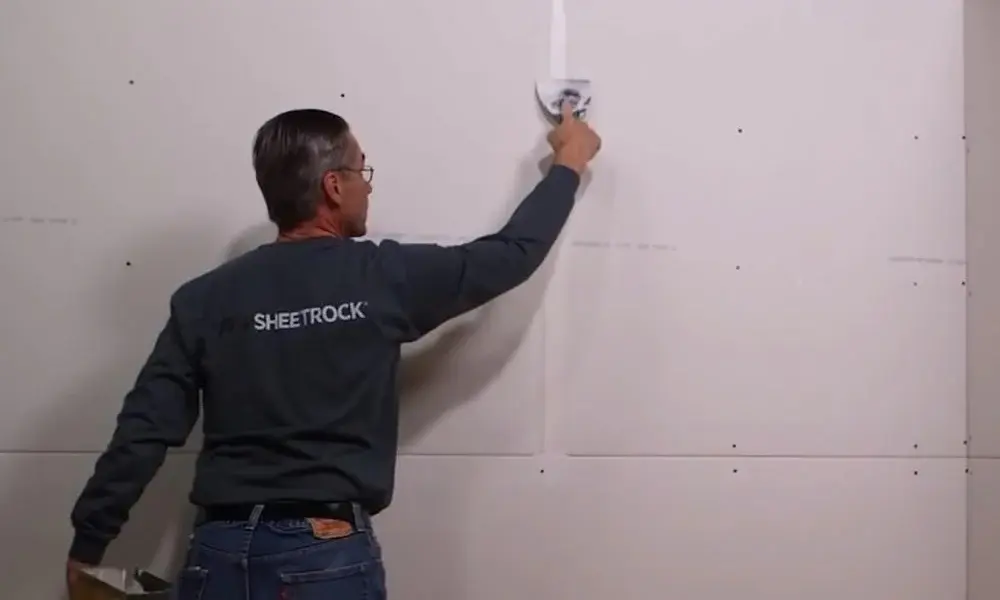
A smooth, well-finished wall rarely happens by accident. Before paint, wallpaper, or other decorative finishes are applied, the surface often needs to be filled, leveled, and prepared. This is where wall compound comes in.
For contractors, building material distributors, and construction companies, choosing the right compound is about more than achieving a smooth appearance. The material also needs to suit the wall substrate, application method, project schedule, and expected finish.
So, what exactly is wall compound, what types are available, and how do you know which one is right for a particular project?
What Is Wall Compound?
Wall compound is a broad term for materials used to repair, smooth, fill, and prepare wall surfaces before the final decorative finish is applied. Depending on the product formulation, it can help cover small holes, fill surface imperfections, level uneven areas, and create a consistent base for painting or other treatments.
These products are commonly made with mineral-based binders, fillers, and performance-enhancing additives. Some are supplied as dry powders that need to be mixed with water, while others come ready-mixed in paste form.
However, wall compound is not a single standardized product. The term can refer to several different materials, including joint compound, wall putty, and skim coat. Although they share the goal of improving wall surfaces, each is developed for different applications.
For distributors and project buyers looking for professional wall finishing materials, LONZONE offers a range of gypsum-based jointing compounds for plasterboard applications. Its Base Coat and Topping products are designed to work together in a three-coat jointing system, helping contractors achieve consistent results across residential and commercial projects.
What Is Wall Compound Used For?
The main purpose of wall compound is to prepare a surface for the next stage of construction or decoration. The exact application depends on the product, but several uses are common across building projects.
One of the most familiar applications is filling minor surface defects. Walls can develop small holes, dents, cracks, and uneven patches during construction or renovation. The appropriate compound helps fill these imperfections and creates a more uniform surface.
Wall compounds are also used to prepare surfaces before painting. Even relatively minor irregularities can become noticeable once paint is applied, particularly under strong lighting. Applying a suitable finishing material helps create a smoother appearance and improves the overall quality of the finished wall.
In drywall construction, joint compounds serve another important purpose. They are used to cover the seams between plasterboard panels, embed joint tape, and conceal screw heads. Without proper joint treatment, board joints may remain visible after painting.
For large commercial developments, these finishing processes are particularly important because inconsistent wall surfaces can affect the appearance of entire rooms or building interiors.
What Are the Different Types of Wall Compound?
Not every wall requires the same finishing material. The choice depends largely on the substrate and the result expected from the application.
Joint Compound
Joint compound is primarily used in drywall and plasterboard installation. It fills the gaps between boards, embeds joint tape, and covers fastener heads to create a continuous surface.
In a typical three-coat finishing system, different compounds may be used at different stages. A base coat provides tape adhesion and joint strength, while a topping compound is applied as the final coat to achieve a smooth finish.
The formulation also matters. Setting-type compounds harden through a chemical reaction, whereas drying-type compounds harden as moisture evaporates.
If you want to understand the materials behind these products in more detail, take a look at our article on what joint compound is made of.
Wall Putty
Wall putty is commonly used on plastered walls, masonry, and other suitable surfaces before painting. Its primary function is to fill minor imperfections and improve surface smoothness.
Depending on the formulation, wall putty can be cement-based or gypsum-based. The right choice depends on the substrate, environmental conditions, and compatibility with the subsequent coating system.
Skim Coat Compound
Skim coat is applied in thin layers to improve the overall appearance of a wall. It is particularly useful when the existing surface has minor irregularities that need to be corrected before decoration.
Rather than filling deep gaps or major structural defects, skim coating focuses on creating a relatively smooth and consistent surface across a larger area.
Topping Compound
Topping compound is designed for the final stage of drywall joint finishing. Compared with base coat products, it places greater emphasis on smooth application, coverage, and sanding performance.
For contractors working on large plasterboard installations, these properties can make a noticeable difference to finishing efficiency and the amount of labor required.
How to Choose the Right Wall Compound
Choosing a wall compound should start with the surface being treated, not simply the product name on the packaging.
For plasterboard joints, the compound needs to provide suitable adhesion and work effectively with joint tape. For the final finishing stage, smooth application and easy sanding become more important.
Workability is another factor worth considering, especially on large projects. A compound that spreads evenly and is easy to handle can help installers maintain a consistent finish while reducing unnecessary rework.
Drying or setting time also affects project scheduling. Some products are designed to harden within a specified period, while others require sufficient drying time before the next coat can be applied. Buyers should consider the working conditions and construction schedule when comparing options.
Substrate compatibility should never be overlooked. A compound designed for plasterboard joints is not automatically suitable for concrete, masonry, or ALC panels. Always check the manufacturer's technical recommendations and application guidelines before specifying a material.
For distributors and wholesalers, product consistency, packaging, storage requirements, and manufacturing capacity are equally important. These factors influence not only the performance of individual batches but also the reliability of long-term supply.
Choosing Wall Finishing Materials for Professional Projects
For professional construction projects, wall finishing is best approached as part of a complete system rather than a collection of unrelated materials.
Take plasterboard finishing as an example. LONZONE's Base Coat is a setting-type jointing compound developed for the first and second coats in a three-coat system. It provides tape adhesion and joint strength, forming the foundation for the finishing process.
The final coat can then be completed with LONZONE's Topping Compound, which is formulated for smooth spreadability, good coverage, and easy sanding. It can be used together with Base Coat or All-Purpose compounds.
For other wall systems, including masonry and ALC panels, the finishing material should be selected according to the specific substrate and construction requirements. Using a product simply because it works on another type of wall may lead to compatibility problems or an unsatisfactory finish.
As a building materials manufacturer, LONZONE develops and supplies a range of products covering jointing compounds, mortars, gypsum materials, and ALC wall panels. For distributors, importers, and construction material buyers, having access to different product categories from one manufacturing partner can make material sourcing more straightforward.
Final Thoughts
Wall compound plays an important role in preparing and finishing interior wall surfaces, but the term covers several different products. Joint compound, wall putty, skim coat, and topping compound each serve a specific purpose, and understanding these differences makes it easier to select the right material for a project.
For construction companies and building material distributors, the best choice comes down to the substrate, application requirements, finishing expectations, and consistency of supply.
Whether you are sourcing drywall joint compounds or looking for reliable wall finishing materials for larger construction projects, selecting products based on their intended application is the first step toward better results.


