





A Guide to Different Finishing Compounds for Walls
Release time: November 19 2026
Views: 49

A smooth wall finish is rarely achieved with a single application. In most drywall projects, several layers of finishing materials are needed to cover joints, conceal fasteners, and create an even surface ready for painting or decoration. Choosing the right finishing compounds for walls is therefore an important part of achieving consistent results, particularly in large residential and commercial construction projects.
For contractors, distributors, and building material suppliers, understanding how different compounds work can also help improve material selection, control labor costs, and maintain product quality across multiple projects.
If you are sourcing wall finishing materials for your business, LONZONE offers professional jointing compound solutions, including Base Coat and Topping. With in-house R&D and manufacturing capabilities, we also support OEM production and customized formulations for different market requirements. Explore our jointing compound products to find suitable solutions for your product range.
What Are Finishing Compounds for Walls?
Finishing compounds are materials used to prepare wall surfaces for their final decorative treatment. Depending on the product formulation, they can fill gaps between plasterboard panels, cover screw heads, smooth joints, and correct minor surface imperfections.
They are commonly used in drywall finishing systems, where multiple plasterboard panels need to be joined together to create a continuous wall or ceiling surface. Without proper joint treatment, seams and fasteners may remain visible after painting, affecting the overall appearance of the finished space.
Although the term wall finishing compound can refer to several types of products, not all of them perform the same function. Some are formulated to provide strong adhesion when embedding joint tape, while others are designed to create a smoother surface during the final finishing stage.
Understanding these differences is particularly important when selecting materials for professional construction projects.
Different Types of Finishing Compounds and Their Applications
The right compound depends largely on where it will be used in the finishing process. In a typical three-coat drywall jointing system, base coat and topping compound work together to create strong joints and a smooth final surface.
Base Coat Compound: Building a Strong Foundation
The first stage of drywall finishing involves filling panel joints and embedding joint tape. At this stage, the compound needs to provide reliable adhesion and enough strength to hold the jointing system together.
Base coat compounds are developed specifically for this purpose. They are generally applied as the tape coat and second coat, helping establish a stable foundation before the final surface treatment.
For professional applications, good tape adhesion, consistent workability, and reliable joint strength are important considerations. A compound that is difficult to spread or does not bond properly can increase application time and create additional finishing work.
LONZONE Base Coat is a setting-type jointing compound supplied in powder form and mixed with water before application. It is designed for the first and second coats in a three-coat plasterboard jointing system.
For distributors and contractors, selecting a suitable base coat is an important step in maintaining consistent joint quality across different construction projects.
Topping Compound: Creating a Smooth Surface
Once the joints have been taped and covered with the initial coats, the surface needs to be refined before decoration. This is where topping compound comes in.
Unlike base coat, which focuses on tape adhesion and joint strength, topping compound is primarily concerned with the appearance and smoothness of the finished surface.
A good topping compound should spread evenly, cover the underlying joints effectively, and be easy to sand once dry. These properties are particularly valuable on large projects where finishing teams need to work efficiently across extensive wall and ceiling areas.
LONZONE Topping is a lightweight formulation developed for the final coat in plasterboard jointing systems. It can be used on plasterboard and fibre cement joints, angles, and fastener heads. Its creamy consistency and easy-sanding properties help create a smooth finish while reducing the effort required during application.
For buyers developing a complete drywall finishing product range, combining Base Coat and Topping provides a practical solution for different stages of the jointing process.
All-Purpose Joint Compound: A More Versatile Option
All-purpose joint compound is designed to handle several drywall finishing tasks with one product. Depending on its formulation, it can be used for embedding tape, filling joints, covering fasteners, and general surface finishing.
Its main advantage is convenience. Contractors who prefer to work with fewer product types may find all-purpose compounds easier to manage, especially on smaller projects.
However, versatility does not always mean that one product is the best choice for every application. Dedicated base coat and topping formulations may offer more targeted performance for specific finishing stages.
For larger construction projects or professional distribution, the decision often comes down to the preferred application system, local market expectations, and the balance between product performance and overall cost.
Where Are Wall Finishing Compounds Commonly Used?
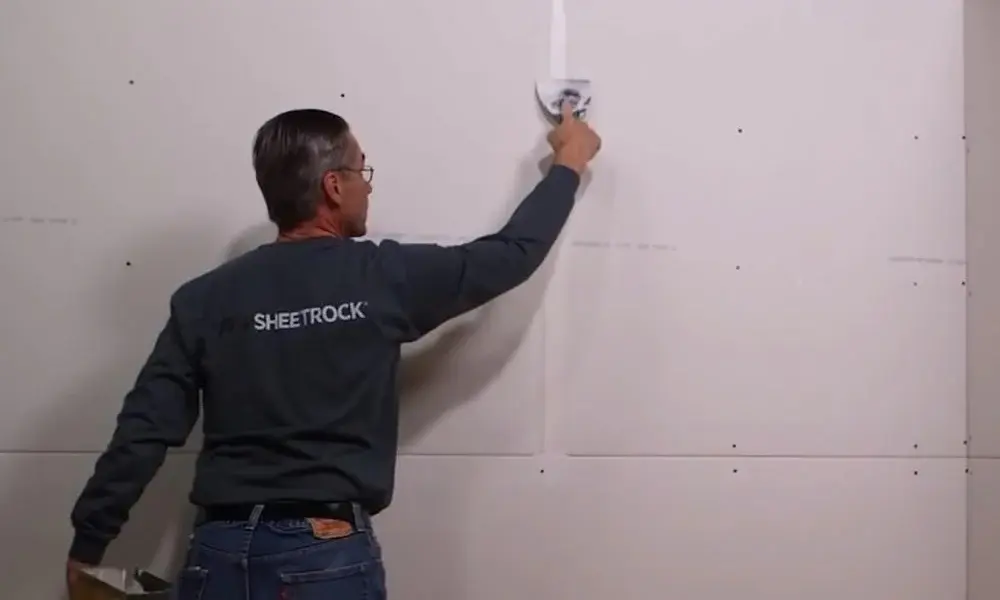
Wall finishing compounds are widely used in residential and commercial construction, particularly where smooth interior surfaces are required.
In residential buildings, they are commonly applied to plasterboard partitions and ceilings before painting or wallpaper installation. A consistent finish helps create a clean appearance and prevents joints from becoming noticeable under decorative coatings.
Commercial projects often place even greater demands on finishing materials. Offices, hotels, retail spaces, and other large buildings may involve extensive drywall installations. In these environments, consistent application performance and efficient sanding can have a significant impact on project schedules and labor requirements.
Renovation projects also create demand for finishing compounds. Existing drywall surfaces may need joint repairs, fastener coverage, or additional smoothing before a new decorative finish is applied.
It is important, however, to distinguish drywall finishing compounds from materials intended for other wall substrates. Gypsum plaster, concrete, and ALC panels have different surface characteristics and may require dedicated mortars, skim coats, or repair products rather than standard drywall joint compound.
What Should You Consider When Choosing a Wall Finishing Compound?
For building material distributors and professional buyers, choosing a finishing compound involves more than comparing prices. Product performance, application requirements, and manufacturing consistency all influence the long-term value of a purchasing decision.
One of the first things to consider is workability. A compound that spreads smoothly and maintains a consistent texture makes application easier for contractors. This becomes especially important when products are used across large areas or by different finishing teams.
Adhesion is another important factor, particularly for base coat products. The compound must bond properly with the substrate and work effectively with the selected jointing tape.
For topping compounds, sanding performance deserves closer attention. Difficult sanding can increase labor costs and delay subsequent painting or decoration work. Products that create an even surface and sand without excessive effort are generally more practical for large-scale applications.
Drying and setting characteristics should also match the project's working conditions. Temperature, humidity, application thickness, and ventilation can all affect how a compound performs on site. Buyers should review the manufacturer's technical data and conduct application tests under representative conditions before placing large orders.
Finally, consistency between production batches is essential for distributors and private-label brands. A product that performs well in one shipment but behaves differently in the next can affect customer confidence and create unnecessary complaints.
Why Choose an Experienced Wall Finishing Compound Manufacturer?
For importers, wholesalers, and construction material brands, finding a reliable manufacturer is an important part of building a competitive product range.
Beyond product quality, buyers often need a supplier that can provide stable production, technical support, flexible packaging, and customized formulations. These capabilities become particularly valuable when entering a new market or developing products under a private label.
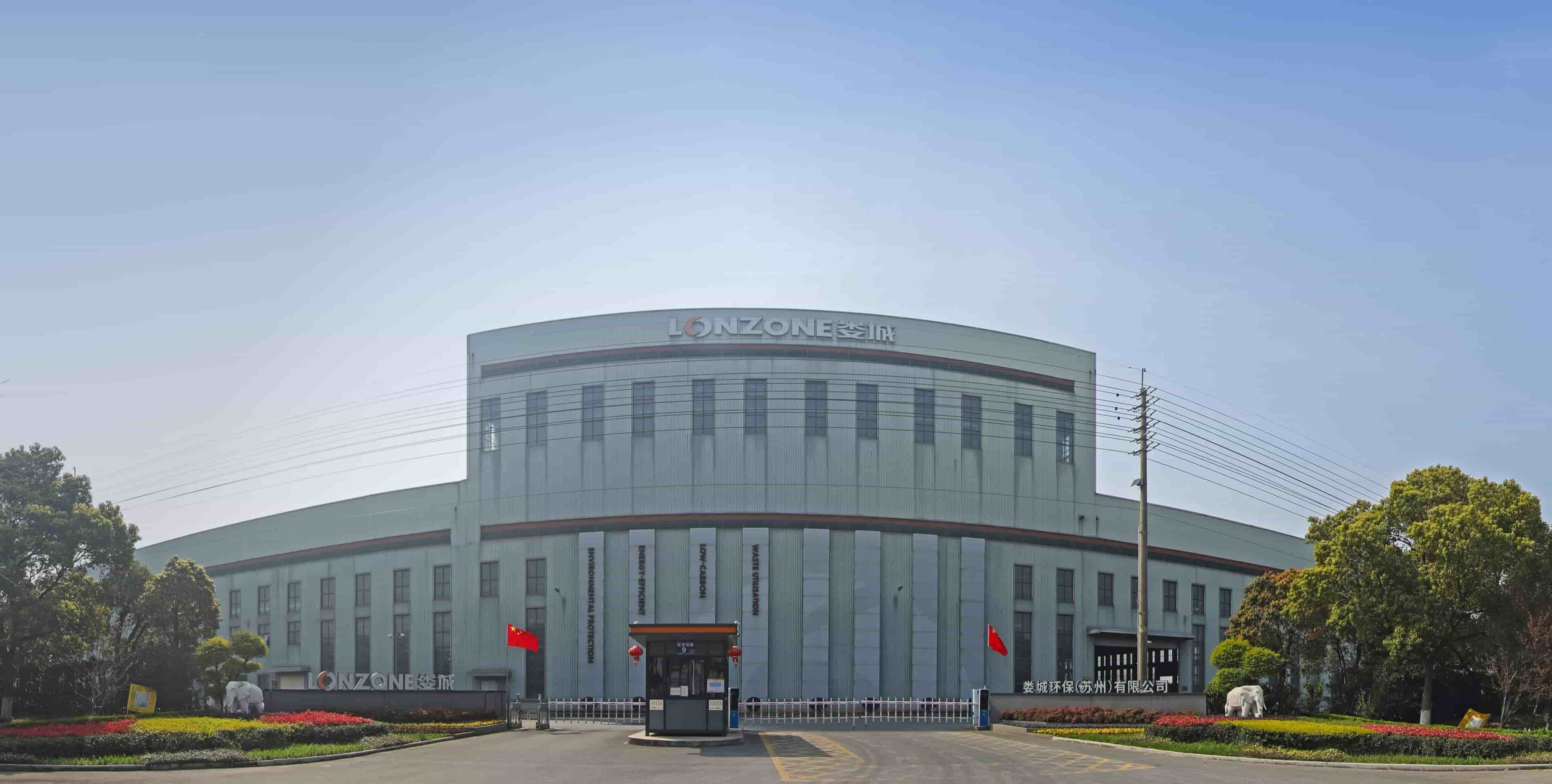
LONZONE specializes in the research, development, and manufacturing of building materials, including jointing compounds, gypsum-based products, ready-mixed mortars, repair mortars, and ALC panels.
Our manufacturing and cooperation capabilities support different customer requirements. Businesses with established formulations can work with us through formula processing, while customers developing new products can collaborate with our R&D team on formulation development, raw material selection, laboratory testing, and production scale-up.
With an annual production capacity of 400,000 tons across our building material portfolio, we provide manufacturing support for international building material brands and distributors.
Whether you are looking to expand an existing joint compound range or develop a new wall finishing product for your local market, choosing a manufacturer with both technical expertise and production capabilities can make the sourcing process more reliable.
Finding the Right Finishing Solution for Your Market
The performance of a finished wall depends on the materials used at every stage of the process. Base coat compounds provide the adhesion and strength needed for reliable joints, while topping compounds help create the smooth surface required for decoration. All-purpose compounds offer another option for projects where versatility and convenience are priorities.
For building material buyers, the best choice depends on the target application, local construction practices, and the performance expectations of end users.
LONZONE develops and manufactures jointing compounds for professional drywall finishing applications, with options for customized production and OEM cooperation.
If you are looking for a dependable wall finishing compound manufacturer or planning to expand your building material product range, contact our team to discuss your requirements.


