





Understanding Wallboard Joint Compound and How to Use It
Release time: November 05 2026
Views: 287
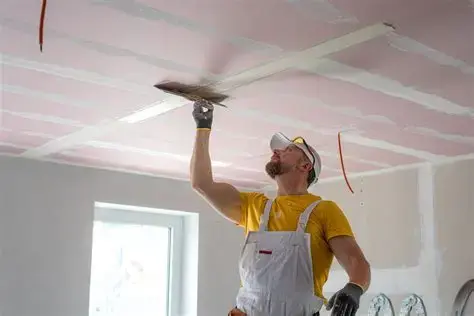
A smooth, even wall surface starts with proper joint treatment. When gypsum wallboard panels are installed, the seams between boards, recessed screw heads, and other minor imperfections need to be finished before painting or decorating. This is where wallboard joint compound comes in. It fills gaps, covers joints, and creates a consistent surface across the entire wall.
Although joint compound is widely used in drywall construction, choosing the right formulation and understanding how it performs can make a noticeable difference in the finished result. Its ingredients, application method, and drying time all affect the quality of the surface. In this guide, we look at what wallboard joint compound is made of, how to apply it correctly, and how it compares with spackle.
What Is Wallboard Joint Compound?
Wallboard joint compound, commonly called drywall mud, is a finishing material used to fill and cover the joints between gypsum wallboard panels. It is also applied over fasteners, corners, and minor surface imperfections to create a smooth, continuous finish.
One of its main functions is to work together with joint tape. The compound holds the tape in place and helps reinforce the connection between adjacent boards, reducing the visibility of seams and the risk of surface cracking. Additional coats are then applied to blend the joints into the surrounding wall.
Different types of joint compound are designed for different finishing stages. Base coat compounds are generally used for embedding tape and building joint strength, while topping compounds are formulated for smoother application and easier sanding during the final finishing stage.
The choice of compound matters because each stage has different performance requirements. For example, a product used to embed joint tape needs reliable adhesion, whereas a finishing compound should spread evenly and leave minimal surface imperfections.
At LONZONE, jointing compounds are developed for professional building and wall finishing applications. The product range includes base coat and lightweight topping compounds, addressing different requirements throughout the joint finishing process. The base coat supports tape embedding and joint reinforcement, while the topping compound is designed for smooth application and convenient sanding. You can explore the LONZONE jointing compound range to learn more about these products.
Understanding the different applications of joint compound also helps explain why its formulation matters. The combination of mineral fillers, binders, and additives determines how the material spreads, adheres, and performs after drying.
What Is Joint Compound Made Of?
Although formulations vary between manufacturers and product types, most wallboard joint compounds contain a combination of mineral fillers, binders, water, and functional additives.
Each ingredient contributes to the compound's overall performance:
Mineral fillers: Provide volume and body while influencing density, texture, and sanding characteristics.
Binders: Help the compound adhere to the wallboard surface and maintain its structure after application.
Water: Creates the workable consistency needed for spreading and filling.
Cellulose-based additives: Help regulate water retention, consistency, and workability.
Other functional additives: May improve adhesion, stability, spreadability, and resistance to sagging or cracking.
The proportions of these ingredients depend on the intended application. A compound designed for embedding joint tape may require different bonding and consistency characteristics from one intended for the final finishing coat.
Among these ingredients, mineral fillers deserve particular attention because they influence both the physical properties and the finishing behavior of the compound.
What Mineral Is Used in Joint Compound for Wallboard?
Calcium carbonate is one of the most common mineral fillers used in wallboard joint compound. Usually sourced from limestone, it helps provide bulk, adjust consistency, and create a suitable surface for finishing. Its particle characteristics can also influence how easily the compound spreads and sands.
Gypsum, chemically known as calcium sulfate dihydrate, is another mineral associated with gypsum-based construction materials. It is used in certain joint compound formulations and is particularly relevant to the wider wallboard finishing system.
Depending on the formulation, manufacturers may also use other mineral fillers, such as talc, mica, or lightweight mineral materials, to adjust workability, density, and surface characteristics.
There is no single mineral combination suitable for every joint compound. Manufacturers select and balance raw materials according to the product's intended purpose. For example, a base coat needs to support tape adhesion and joint filling, while a topping compound should provide a smoother finish with good sanding properties.
These material characteristics become especially important during application. Even a well-formulated compound can produce an uneven finish if it is mixed incorrectly or applied without following the recommended process.
Wallboard Joint Compound Instructions: How to Apply It
Proper application involves more than simply spreading compound over a seam. Each coat serves a specific purpose, and the result of one stage affects the next.
Prepare the wallboard surface
Before applying compound, check that the wallboard panels are securely installed and their edges are properly aligned. Remove dust, loose paper, and other contaminants that could interfere with adhesion. Screw heads should sit slightly below the board surface without breaking through the paper facing.
Prepare the joint compound
Ready-mixed compound should be stirred until it reaches a consistent texture. For powder-based products, gradually add clean water according to the manufacturer's recommended mixing ratio. Mix thoroughly until the material is smooth and free of lumps.
Avoid adding too much water. An overly thin mixture may sag during application and become more difficult to control.
Apply the first coat and embed joint tape
Spread a layer of compound along the joint using a taping knife. Place paper or fiberglass mesh tape over the joint and press it into the compound. Remove excess material while ensuring the tape remains properly embedded and supported.
This first coat establishes the foundation for the joint finish, so even coverage is important.
Build up the surface with additional coats
Once the first coat has dried, apply a second layer to cover the tape and extend the compound beyond the original joint. Use a wider finishing knife to create a gradual transition between the joint and the surrounding board.
A final, thinner coat can then be applied to smooth out remaining imperfections. Rather than applying too much material at once, several controlled coats generally produce a more consistent result.
Sand and prepare for decoration
After the final coat has dried completely, lightly sand the surface to remove ridges and tool marks. Avoid excessive sanding, which can damage the wallboard paper or expose the joint tape.
Remove sanding dust before applying primer or paint.
The number of coats, application thickness, and finishing technique may vary depending on the product and project requirements. For additional guidance on achieving a smooth drywall finish, see LONZONE's guide to drywall finishing coats.
Of course, completing each coat correctly also depends on allowing enough time for the material to dry. Applying a new layer too early can affect the final surface and lead to unnecessary rework.
How Long Does Wallboard Joint Compound Take to Dry?
The drying time of wallboard joint compound depends on several factors, including product formulation, application thickness, temperature, humidity, and ventilation.
As a general reference, thin coats of ready-mixed joint compound may take approximately 12–24 hours to dry under favorable conditions. Thicker applications, such as those used to fill deeper gaps, can take longer because moisture needs more time to escape.
Setting-type compounds work differently. They are formulated to harden through a chemical setting reaction and are commonly labeled with specific setting times, such as 20, 45, or 90 minutes. However, the setting time is not necessarily the same as the time required for complete drying.
Environmental conditions also play an important role:
Humidity: High humidity slows moisture evaporation and extends drying time.
Temperature: Low temperatures can delay drying, while excessively high temperatures may cause uneven drying.
Ventilation: Good air circulation helps moisture escape from the applied compound.
Application thickness: Thicker layers generally require more time to dry than thin coats.
For the best results, follow the manufacturer's technical instructions and allow each layer to dry sufficiently before applying another coat, sanding, or painting. Rushing this process may lead to shrinkage, surface imperfections, or finishing problems.
Once the application and drying requirements are understood, it is also useful to distinguish joint compound from another commonly used wall repair material: spackle.
Wallboard Joint Compound vs. Spackle: What's the Difference?
Joint compound and spackle are both used to fill imperfections in wall surfaces, but they are designed for different applications.
Joint compound is primarily intended for finishing drywall joints, embedding tape, covering fasteners, and creating smooth transitions across larger surfaces. It is commonly applied in multiple coats as part of a complete wallboard installation.
Spackle, on the other hand, is generally used for smaller, localized repairs, such as filling nail holes, dents, and minor surface damage. It is often more convenient when only a small area needs attention.
The main differences are summarized below:
| Comparison | Wallboard Joint Compound | Spackle |
| Primary purpose | Finishing drywall joints and seams | Filling small holes and surface defects |
| Typical applications | Joint tape, board seams, screw heads, larger finishing areas | Nail holes, dents, and minor wall repairs |
| Coverage | Suitable for broader areas and multiple coats | Usually applied to localized areas |
| Finishing process | Often requires several coats and sanding | Generally requires less finishing work |
| Common users | Drywall contractors and professional installers | Painters, maintenance teams, and homeowners |
For new wallboard installations, joint compound is generally the better choice because it is designed to work with joint tape and finish panel connections. Spackle is more suitable for quick repairs on existing walls.
Although some products may have overlapping uses, they are not necessarily interchangeable. Selecting the appropriate material helps improve finishing quality and reduces the likelihood of repeated repairs.
How to Choose the Right Wallboard Joint Compound
Choosing a suitable wallboard joint compound involves considering the entire finishing process rather than focusing on a single product characteristic.
For contractors, important factors include adhesion, spreadability, consistency, drying behavior, shrinkage, and sanding performance. The requirements may also change depending on whether the compound is used for tape embedding, intermediate coating, or final surface finishing.
For distributors and building material buyers, product consistency and manufacturing capabilities are equally important. A reliable supplier should be able to provide suitable formulations for different applications and maintain consistent product quality across batches.
LONZONE specializes in the research, development, and manufacturing of building materials, including mortars, gypsum-based products, jointing compounds, and ALC panels. With a focus on construction material solutions, the company serves customers looking for products that meet different building and finishing requirements.
Whether you are sourcing joint compound for a construction project or exploring a long-term manufacturing partnership, choosing the right product and supplier can make a meaningful difference to project efficiency and finishing quality.
Looking for a wallboard joint compound supplier or a customized building material solution? Contact LONZONE to discuss your application requirements and explore suitable product options.


