





Recycled Drywall Compound for Hotels: A Sustainable Choice
Release time: November 02 2026
Views: 63
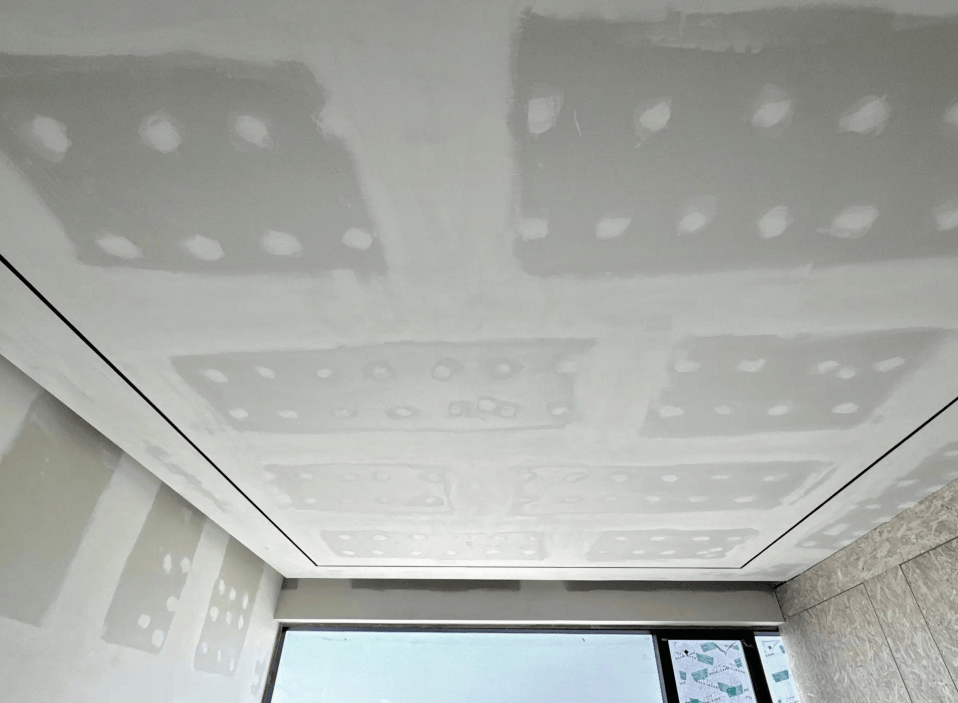
Hotels are under growing pressure to deliver comfortable, durable interiors while reducing the environmental impact of construction and renovation. Walls and ceilings account for a significant portion of interior finishing work, which makes drywall systems and joint compounds an important part of a hotel’s material strategy.
For hotel developers, contractors, and procurement teams, recycled drywall compound for hotel projects can be an attractive option when sustainability needs to be balanced with smooth finishes, reliable application, and long-term performance.
But choosing a more sustainable joint compound involves more than looking for the word “recycled” on the packaging. The formulation, raw materials, manufacturing process, application requirements, and expected service life all matter.
What Is Recycled Drywall Compound?
Drywall compound, also called joint compound or drywall mud, is used to treat board joints, embed joint tape, cover fasteners, and create a smooth surface before painting or other decorative finishes.
A recycled or lower-impact drywall compound may incorporate recycled or recovered mineral materials, industrial by-products, or other resource-efficient components into its formulation. The goal is to reduce reliance on virgin raw materials while maintaining the performance required for professional wall finishing.
For hotel projects, this distinction is particularly important. A sustainable material still needs to provide consistent workability, adhesion, crack resistance, sanding performance, and surface quality. A lower environmental impact should not come at the expense of finishing quality.
Why Hotels Are Looking at More Sustainable Wall Finishing Materials
Hotel construction is different from a typical residential project. A single development can contain hundreds of guestrooms, corridors, restaurants, meeting rooms, back-of-house areas, and public spaces.
This creates several challenges.
First, contractors need materials that can be applied efficiently across large wall and ceiling areas. Commercial drywall is widely used because it can be installed relatively quickly and with less labor than some traditional finishing methods.
Second, hotel interiors need a consistent appearance. Guestrooms and public areas are highly visible, so uneven joints, excessive shrinkage, cracking, or poor sanding can create additional finishing work.
Third, hotel owners increasingly consider the environmental profile of construction materials when pursuing green-building goals or corporate sustainability targets.
This is where recycled-content or low-carbon drywall compound can become part of a broader sustainable building strategy.
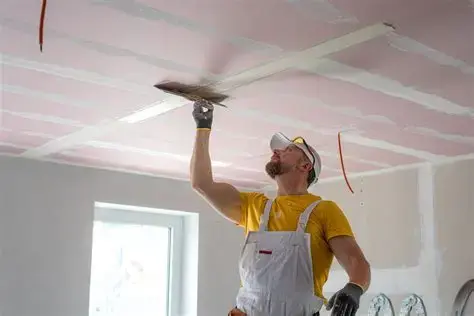
What Should You Evaluate When Selecting Recycled Drywall Compound for a Hotel?
Recycled content and raw material sourcing
The first question should be where the material comes from and how recycled content is actually incorporated into the formulation.
A credible sustainability strategy should consider the complete material lifecycle rather than focusing on a single recycled ingredient. Manufacturing, transportation, application, and durability can all influence the overall environmental footprint.
For example, LONZONE focuses on using industrial solid waste in building materials rather than relying entirely on virgin minerals. Its sustainability program includes the conversion of industrial by-products into low-carbon mortars, gypsum products, and ALC panels.
Application and finishing performance
Sustainable materials still have to work on the jobsite.
For hotel projects, contractors should evaluate:
Workability and consistency
Adhesion to drywall boards
Shrinkage and cracking resistance
Sanding characteristics
Drying or curing behavior
Surface smoothness
Compatibility with primers and decorative coatings
A material that requires excessive rework may offset some of the benefits gained from using recycled or lower-impact raw materials.
Durability matters
Sustainability is also connected to service life.
If a hotel wall requires frequent repairs because the joint compound performs poorly, additional materials, labor, transportation, and waste may be generated during maintenance.
Proper storage is another practical consideration. Drywall compound can deteriorate when exposed to air, moisture, temperature extremes, or contamination, so manufacturers' storage and shelf-life recommendations should be followed.
For large hotel projects, procurement teams should therefore evaluate not only the initial material specification but also expected performance throughout the building's service life.

Where Can Recycled Drywall Compound Be Used in Hotels?
A suitable drywall compound can support finishing work across many hotel areas, including:
Guestroom walls and ceilings
Corridors and circulation areas
Hotel lobbies
Conference and meeting rooms
Restaurants and dining areas
Office and administrative spaces
Retail and amenity areas
Renovation and refurbishment projects
Different areas may have different performance requirements. For example, a high-traffic corridor may require a more durable finishing system, while guestrooms may place greater emphasis on smooth appearance and consistency.
Hotels may also combine drywall systems with acoustic, moisture-resistant, fire-rated, or other specialty boards depending on the building design. Therefore, the joint compound should be selected as part of the complete wall-finishing system rather than as an isolated product.
Recycled Does Not Automatically Mean Sustainable
One of the most important considerations when purchasing sustainable drywall compound is to avoid evaluating the material based on one environmental claim.
A more meaningful assessment considers the entire product lifecycle: raw material sourcing, manufacturing, transportation, installation, maintenance, and end-of-life considerations.
This broader approach is consistent with how LONZONE manages its own carbon footprint. The company states that its carbon management system evaluates emissions from raw materials and manufacturing through logistics and application, rather than focusing on a single production stage.
For hotel developers pursuing LEED, BREEAM, or other green-building objectives, this lifecycle perspective can also make material selection more meaningful than simply choosing products with a “green” label.
Why Work With an Experienced Building Materials Manufacturer?
Large hotel projects often require more than an off-the-shelf product. Contractors and developers may need customized formulations, technical support, consistent supply, and solutions that work across different construction environments.
LONZONE develops and manufactures building materials including mortars, gypsum products, ALC panels, and related wall-system solutions. Its sustainability approach includes industrial solid-waste recycling and lifecycle carbon management, while its project portfolio demonstrates experience supplying building-material solutions for large-scale construction projects.
For hotel projects, this broader manufacturing capability can be useful when drywall finishing needs to be coordinated with other wall, flooring, insulation, or lightweight construction systems.
If you are evaluating sustainable drywall finishing materials for a hotel project, you can also review our technical guidance on drywall compound shelf life and storage before finalizing procurement and jobsite storage procedures.
Making Sustainable Hotel Construction More Practical
Choosing recycled drywall compound should not be about selecting the material with the most attractive environmental claim. The better approach is to find a product that combines responsible raw-material sourcing with the consistency and finishing performance required by commercial construction.
For hotel developers and contractors, the ideal solution should help reduce resource consumption while supporting efficient installation, consistent wall finishes, and long-term durability.
As sustainable construction continues to become a bigger part of hotel development, recycled-content and low-carbon finishing materials can play a practical role in reducing the environmental impact of interior construction.
If you are planning a hotel, hospitality, or commercial renovation project and need a customized drywall finishing or building-material solution, contact LONZONE to discuss your project requirements.


