





How Long Does Drywall Compound Last? Shelf Life & Storage
Release time: September 16 2026
Views: 2
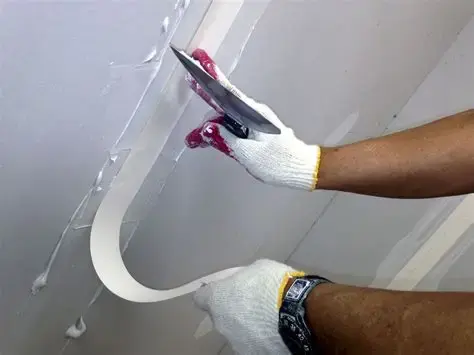
If you have a half-used bucket of drywall compound sitting in storage, you may be wondering whether it is still good enough to use. How long does drywall compound last? Shelf life varies with the type of compound, how it is packaged, and, perhaps most importantly, how it has been stored.
Drywall compound, also known as joint compound or drywall mud, is designed to remain workable for a certain period. Over time, however, exposure to air, moisture, temperature changes, and contamination can affect its consistency and performance.
Knowing what to look for can help you decide whether an older container is still usable or whether it is time to open a new one.
How Long Does Drywall Compound Last?
The shelf life of drywall compound varies by formulation and manufacturer.
For many ready-mixed drying-type joint compounds, the stated shelf life is around nine months from the date of manufacture when stored under recommended conditions.
That does not mean every drywall compound will remain usable for exactly nine months. The manufacturer's technical documentation should always take priority, particularly when the material is being used for a professional project.
Opened compound is a little different. Once the container has been opened, there is no universal rule such as "use within three months." A bucket that has been properly sealed and stored may remain in good condition, while one exposed to heat, freezing temperatures, or contamination may deteriorate much sooner.
In other words, age is only one part of the equation. The condition of the compound matters just as much.
Does Opened Drywall Compound Go Bad?
Yes. An opened container of drywall compound can eventually become unusable.
Every time a bucket is opened, the compound is exposed to air and the surrounding environment. Dust, dried compound from the lid, dirty tools, and other contaminants can find their way into the material. The surface can also begin to dry out if the container is not sealed properly.
Some separation in ready-mixed compound is not necessarily a problem. A small amount of water may collect on the surface during storage. Depending on the product, this can often be addressed by following the manufacturer's storage instructions.
What matters is how the compound behaves after it has been properly remixed. If it returns to a smooth, consistent working texture, it may still be usable. If it remains lumpy, grainy, watery, or otherwise abnormal, it is better not to use it.
How Can You Tell If Drywall Compound Has Gone Bad?
Before putting an old container to work, take a few minutes to inspect it. A quick check can prevent problems later during finishing.
Look for mold or unusual discoloration
Fresh joint compound should have a relatively uniform appearance. Visible mold or significant discoloration is a strong indication that the material has deteriorated and should be discarded.
Don't assume that removing the affected surface will make the rest of the bucket safe to use. Once contamination is present, replacing the compound is the more reliable option.
Pay attention to the smell
A noticeable sour, musty, or otherwise unusual odor can be another warning sign. If an older bucket smells substantially different from fresh compound, it is best not to take the risk—especially on a large or high-visibility project.
Check the consistency
Ready-mixed joint compound should be smooth and easy to spread after mixing.
If it remains excessively lumpy, stringy, grainy, or watery, its original properties may have been compromised. A few dried bits around the lid are common and can be removed, but larger amounts of dried material should not be mixed back into the compound.
Check powdered compound for hard lumps
Powdered joint compounds need to stay dry until they are mixed. If moisture has entered the package, the powder may form hard lumps or partially set inside the bag.
Once that happens, the material may no longer have the setting characteristics specified by the manufacturer.
Do a small test before starting the job
When the material looks borderline but not obviously spoiled, a small test application can be useful.
Apply some compound to a scrap piece of gypsum board and see how it spreads, dries, and sands. If it does not behave like fresh material, replacing it before starting the actual job is usually the better choice.
What Makes Drywall Compound Deteriorate?
Storage conditions have a direct impact on the practical shelf life of drywall compound.
Temperature
Ready-mixed joint compound should be protected from freezing, excessive heat, and direct sunlight.
Freezing is particularly concerning for water-based ready-mixed products. Once frozen and thawed, the compound may separate or develop a lumpy or grainy texture. If it cannot be restored to a smooth, uniform consistency, it should not be used.
Moisture
Moisture is especially important when storing powdered compounds. The powder needs to remain dry before mixing. Humidity or water entering damaged packaging can cause premature setting and hard lumps.
Poorly sealed containers
A loose lid allows moisture and air to enter while also increasing the chance of contamination. After using ready-mixed compound, clean the lid and rim, level the material if appropriate, and close the container tightly.
These simple steps can make a noticeable difference when material needs to be stored for a later project.
How Should Drywall Compound Be Stored?
For ready-mixed compound, start by keeping the bucket in a stable indoor environment. Avoid areas where the material may be exposed to freezing temperatures, excessive heat, or direct sunlight.
Before resealing the bucket, remove dried compound from the lid and rim so it does not fall back into the material. Close the container securely after each use.
For powdered compound, moisture control is the priority. Keep the original packaging tightly sealed and store it somewhere dry. If the package has been damaged, take steps to protect the powder from humidity rather than leaving it exposed.
It is also good practice to follow a first-in, first-out approach when storing construction materials. Using older stock before newer stock reduces the chance of products sitting in storage long past their recommended shelf life.
Is It Better to Use Old Drywall Compound or Buy New?
For a small repair, an older container may still be perfectly suitable if it has been stored correctly and passes a basic inspection.
For a larger project, the decision is different.
If you are finishing an entire drywall installation or applying a skim coat over a large area, inconsistent compound can lead to poor workability, uneven drying, excessive sanding, or surface defects. The cost of a new bucket is usually small compared with the labor involved in correcting a finishing problem.
The same principle applies when selecting a compound for a new project. The right material should match the substrate, application method, required finish, and working conditions.
For gypsum board joint treatment and wall finishing, explore our range of jointing compounds to find a suitable solution for your application.
If you are unsure which jointing compound is appropriate for your wall system or finishing requirements, contact us with your project details.


Get in Touch with Us
Have questions about our OEM services?
Please contact: chenyang@lonzone.com.cn


