





Eco-Friendly Joint Compound for Exterior Walls
Release time: November 02 2026
Views: 62
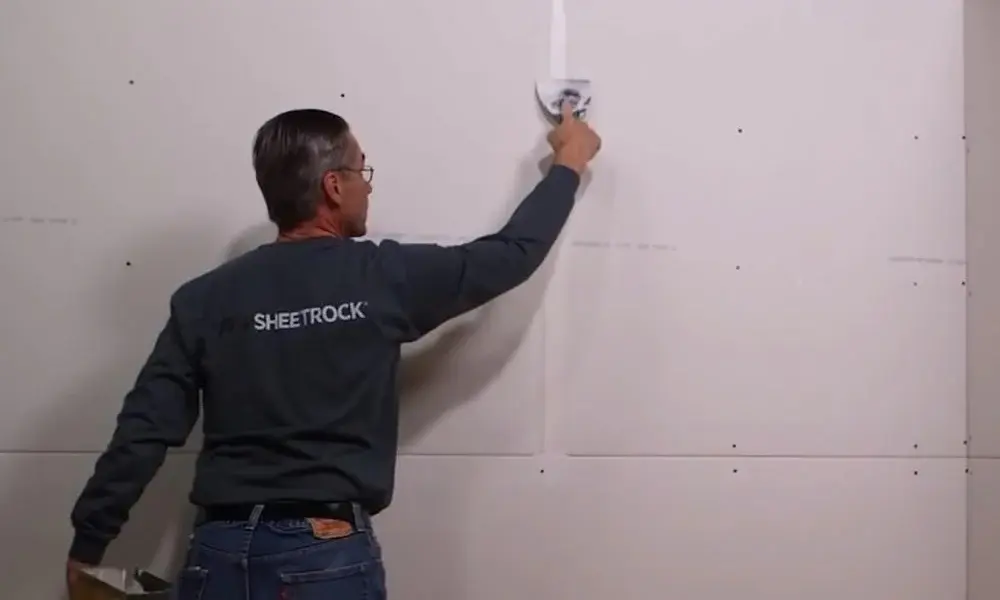
As sustainable construction becomes a greater priority, builders and material specifiers are paying closer attention to the products used in wall assembly and finishing. Beyond insulation, structural performance, and energy efficiency, finishing materials also matter. This is particularly true for joint compounds, which help create smooth, consistent surfaces across wall panels.
Choosing an eco-friendly joint compound for exterior wall applications involves more than looking for a low-VOC label. The compound must also be compatible with the wall substrate, provide reliable bonding, and maintain its performance under the environmental conditions expected in the project.
So, what should you consider when selecting a joint compound for an exterior wall system? Here are the key factors.
What Makes a Joint Compound Eco-Friendly?
An environmentally responsible joint compound should balance material safety, application performance, and long-term durability. Several characteristics are worth examining before making a selection.
Low VOC content
Volatile organic compounds (VOCs) can be released into the air during application and drying. Products with lower VOC content can help reduce emissions associated with interior finishing work and contribute to better indoor air quality.
Although exterior walls are exposed to outdoor conditions, their finishing materials may also affect indoor environments, particularly when used in enclosed or partially enclosed spaces during construction.
Responsible material composition
The composition of a joint compound influences its environmental profile. Mineral-based ingredients, carefully selected additives, and controlled formulations can help manufacturers develop products that meet specific performance requirements without unnecessary chemical complexity.
However, a mineral-based formulation alone does not automatically make a product environmentally friendly. Its overall composition, manufacturing process, and verified product information should all be considered.
Efficient application and reduced waste
A compound that spreads smoothly and sands easily can help contractors reduce material waste, minimize rework, and improve application efficiency. Consistent workability is especially valuable on large projects involving extensive wall surfaces and numerous panel joints.
Why Exterior Wall Applications Require Special Attention
Not every joint compound is suitable for exterior wall applications. Unlike interior drywall, exterior wall assemblies may experience rain, humidity, temperature fluctuations, UV exposure, and repeated wetting and drying.
These conditions place additional demands on the materials used in the wall system.
Before choosing a compound, consider three important requirements.
Substrate compatibility
Exterior walls may incorporate fiber cement boards, cement-based panels, plasterboard in protected assemblies, or other prefabricated wall materials. Each substrate has different surface characteristics and bonding requirements.
A compound designed for plasterboard joints, for example, should not automatically be assumed suitable for exposed exterior masonry or cement board joints. Always check the manufacturer's approved applications and system specifications.
Bonding and joint stability
Panel joints are potential weak points in a wall assembly. If the compound does not bond properly or is incompatible with the joint reinforcement, cracking, separation, and surface defects may develop.
The selected material should work with the specified joint tape or reinforcement system and accommodate the movement expected in the assembly.
Resistance to environmental conditions
Exterior wall materials must be selected according to the project's exposure conditions. Moisture resistance, dimensional stability, and compatibility with protective coatings are particularly important.
For walls directly exposed to weather, use a purpose-designed exterior jointing or render system rather than relying on an ordinary interior finishing compound.
How to Choose the Right Joint Compound for Different Wall Systems
The best material depends on the function it performs within the wall assembly.
For example, joint treatment in a protected plasterboard or fiber cement board system is different from filling joints in an exposed exterior cement board facade.
A useful starting point is to distinguish between base coats and finishing compounds.
Base coat for bonding and joint reinforcement
Base coats are generally used during the initial stages of a jointing system. Their main functions include embedding joint tape, building joint strength, and providing a suitable foundation for subsequent finishing.
LONZONE's Base Coat jointing compound is a setting-type powder compound mixed with water before application. It is designed for the first and second coats in a three-coat plasterboard jointing system.
Its key characteristics include strong tape adhesion, smooth application, and good sanding performance. The formulation contains calcium sulfate hemihydrate, calcium carbonate, and quartz sand.
For contractors working with panel-based wall systems, selecting an appropriate base coat is an important step in achieving reliable joint reinforcement.
Topping compound for surface finishing
Once the joints have been properly reinforced and filled, a finishing compound helps create a smooth surface ready for subsequent decoration.
LONZONE's Topping compound is a ready-mixed, ultra-lightweight finishing compound with a low-VOC formulation. Its stated VOC content is less than 1 g/L.
It is designed for the final coat in a three-coat jointing system and is suitable for finishing plasterboard and fiber cement board joints, angles, and fastener heads in residential and commercial walls and ceilings.
Its easy application and sanding characteristics can help reduce surface preparation time and unnecessary rework.
Importantly, this product's stated application scope should not be interpreted as approval for directly exposed exterior conditions. Project teams should confirm the complete wall system's suitability before specifying it for exterior use.
Why a Complete Jointing System Matters More Than a Single Product
A reliable wall finish depends on how different materials work together. Even a high-quality compound may deliver unsatisfactory results if it is used with incompatible substrates, reinforcement tapes, or finishing materials.
A typical three-coat jointing process includes:
First coat: Embed the joint tape and establish adhesion between the tape and substrate.
Second coat: Cover the tape and build up the joint profile.
Third coat: Smooth and feather the joint to create a consistent surface.
The number of coats and application sequence may vary depending on the product and wall system.
For a more detailed explanation of joint finishing, see our guide on how many coats of joint compound are needed over tape.
It is also worth understanding the differences between lightweight and all-purpose compounds. Their workability, adhesion, and sanding characteristics can influence material selection at different stages. Read our article on Plus 3 vs. all-purpose joint compound for a closer comparison.
What Should Contractors and Material Buyers Evaluate?
When sourcing an eco-friendly joint compound for an exterior wall project, consider the following questions:
Is the product approved for the intended application? Check whether it is designed for interior joints, protected exterior assemblies, or direct weather exposure.
Does it meet relevant environmental requirements? Review VOC data, safety documentation, and any applicable environmental certifications rather than relying on general marketing claims.
Is it compatible with the substrate? Confirm compatibility with plasterboard, fiber cement board, cement-based panels, or other specified materials.
Can it deliver consistent application results? Evaluate workability, adhesion, drying behavior, and sanding performance.
Does the manufacturer provide technical support? Reliable product documentation and application guidance help reduce specification errors and site-level rework.
These considerations help buyers look beyond the initial purchase price and assess the material's contribution to overall project quality.
Work with LONZONE on Your Wall Finishing Material Requirements
Selecting the right jointing compound is an important part of developing a durable and efficient wall finishing system. The decision should take into account the substrate, environmental exposure, finishing requirements, and compatibility of the materials used throughout the assembly.
As a building materials R&D and manufacturing company, LONZONE develops solutions across mortar, plaster, jointing compounds, and lightweight wall systems, including materials for modern construction applications.
Our Base Coat and Topping products offer complementary functions within a three-coat jointing system, helping contractors address joint reinforcement and surface finishing requirements.
Whether you are sourcing jointing compounds for a commercial building project, evaluating materials for fiber cement board systems, or developing a customized wall finishing solution, our team can help you explore suitable options.
Contact LONZONE to discuss your project requirements and find the right building material solutions for your application.


