





Plus 3 vs All-Purpose Joint Compound: Key Differences Explained
Release time: September 24 2026
Views: 30
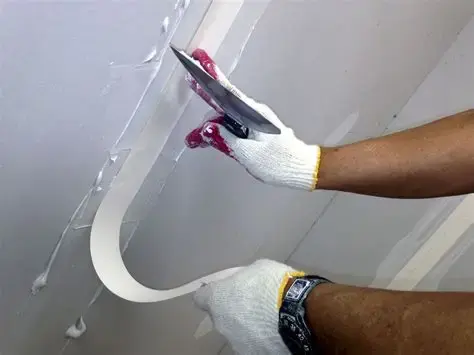
When choosing a joint compound for drywall finishing, Plus 3 and all-purpose joint compound are two options that often come up. Both can be used for joint finishing, but they have different characteristics that make them better suited to certain applications.
Plus 3 is known for being lightweight and easy to sand, while all-purpose joint compound offers greater versatility and can be used across multiple stages of drywall finishing.
The right choice depends on the type of work, the stage of finishing, and the balance you need between ease of application, adhesion, sanding, and surface quality.
What Is Plus 3 Joint Compound?
Plus 3 is a lightweight joint compound commonly used for drywall finishing. Its lighter consistency makes it easier to spread and handle, particularly when large areas need to be finished.
Another reason contractors often choose lightweight compounds is their sanding performance. Once dry, they can generally be sanded more easily, which can save time during surface preparation.
Plus 3 can be used for filling joints, covering fastener heads, and finishing drywall surfaces. It is particularly useful when easy application and sanding are important considerations.
However, a lightweight finishing compound is not necessarily the best choice for every stage of a drywall jointing system. The requirements for embedding tape, building up joints, and applying the final finish can be different.
What Is All-Purpose Joint Compound?
As the name suggests, all-purpose joint compound is intended for a wider range of drywall applications. Depending on the specific product, it can be used to embed joint tape, fill and build up joints, cover fasteners, and finish the surface.
Its main advantage is convenience. Instead of keeping different compounds for different stages, contractors can use one product for much of the job.
That versatility can be especially useful for smaller projects, repairs, and general drywall work. However, using one compound throughout a project does not always mean it will deliver the same advantages at every stage.
For larger or more demanding projects, choosing a compound according to the job it needs to perform can give contractors more control over adhesion, workability, and final surface quality.
Plus 3 vs All-Purpose Joint Compound: What’s the Difference?
Weight and Handling
The most obvious difference is weight.
Plus 3 is a lightweight compound, making it easier to carry, apply, and spread. This can make a noticeable difference when finishing large areas or working through several coats in a day.
All-purpose joint compound is generally heavier and denser. Some contractors prefer its working characteristics, particularly when they need a compound that can handle several different applications.
If reducing physical effort during finishing is a priority, a lightweight compound has a practical advantage.
Sanding and Finishing
Sanding is one of the most time-consuming parts of drywall finishing. A compound that is easy to sand can make it easier to remove ridges, tool marks, and other minor imperfections before priming and painting.
This is where lightweight compounds such as Plus 3 are often preferred. Their easier sanding characteristics can help speed up the final finishing stage.
All-purpose compounds can also be sanded, but they may offer a different balance between hardness, adhesion, and sanding ease.
For the final coat, another option is to use a dedicated topping compound. LONZONE's Topping compound is intended for the final stage of a three-coat plasterboard jointing system, helping create a smooth surface that is ready for final preparation.
Tape Embedding and Joint Strength
The first coat has a different job from the final coat. It needs to properly embed the joint tape and create a solid foundation for the coats that follow.
Although some all-purpose compounds can be used for tape embedding, a dedicated base coat may be a better fit when joint strength and tape adhesion are key concerns.
LONZONE's Base Coat is intended for the first and second coats of a three-coat plasterboard jointing system. It focuses on the early stages of joint treatment, where reliable tape adhesion and joint build-up are important.
This is why professional drywall finishing does not always come down to choosing between a lightweight compound and an all-purpose compound. The better approach can be to match the material to the specific coat.
Versatility
All-purpose joint compound has one clear advantage: flexibility.
A single product can cover several applications, which makes purchasing, storage, and job-site management simpler. This can be useful when a project does not require highly specialized finishing materials.
Plus 3 also works across several finishing tasks, but its lightweight characteristics make it particularly attractive when handling and sanding are major considerations.
For a small repair or straightforward drywall project, an all-purpose compound may be all you need. On a larger professional job, however, using different compounds for different coats can provide more control over the finished result.
Which One Should You Use?
Instead of looking for a single “best” joint compound, consider what the material needs to do on your project.
Plus 3 may be a good fit when:
Lightweight handling is important
You want a compound that is easier to sand
A large amount of finishing work is involved
Final surface preparation needs to be efficient
All-purpose joint compound may make more sense when:
You want one product for multiple applications
Convenience and versatility are priorities
The project involves general drywall installation or repair
You want to keep material selection simple
A dedicated base coat and topping system may be worth considering when:
You are following a three-coat drywall finishing process
Tape adhesion is a key concern
Each coat needs to perform a specific function
Consistent surface quality matters on a larger project
Why Use Different Compounds for Different Coats?
Drywall finishing is not simply a matter of applying compound until the joint looks smooth. Each coat has a different purpose.
The first coat embeds the tape and establishes the joint. The second coat builds up and widens the joint, helping create a gradual transition between the joint and the surrounding board. The final coat focuses on creating a smooth, even surface that can be sanded and prepared for decoration.
Using a material suited to each stage can make the process more predictable.
For more practical guidance on the finishing process, see LONZONE's guide to achieving a smooth drywall finish.
LONZONE's Base Coat can be used for the first and second coats, while the Topping compound is intended for the final finishing stage. Together, they provide a more stage-specific approach than relying on a single compound for the entire process.
Final Thoughts
So, Plus 3 vs all-purpose joint compound — which should you choose?
It depends on the job.
Plus 3 is a practical option when lightweight handling and easy sanding are high priorities. All-purpose joint compound is useful when you want one versatile material that can cover several stages of drywall work.
For professional projects, though, it is worth looking beyond the idea that one compound has to do everything. A three-coat system allows the base coat, joint-building coat, and final topping coat to each perform the job they are best suited for.
Choosing the right material for each stage can make drywall finishing easier, more consistent, and more efficient from the first coat to the final sanding.


