





Quick Set Drywall Compound for Faster Drying and Finishing
Release time: October 16 2026
Views: 7
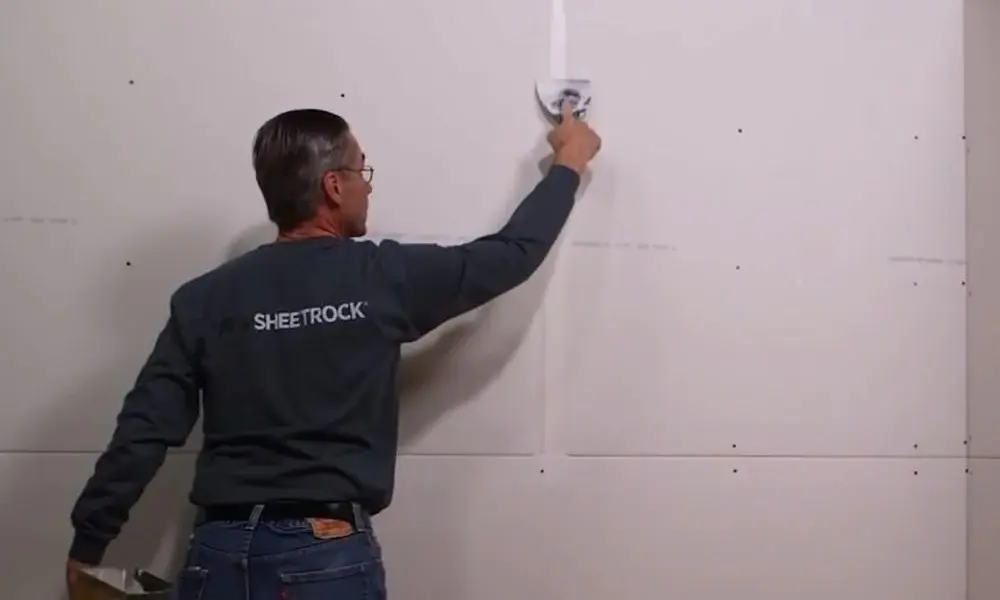
On a drywall project, compound selection affects much more than the appearance of the finished wall. Drying time, setting behavior, workability, sanding performance, and labor requirements can all influence how quickly a project moves from joint treatment to final finishing.
This is why quick set drywall compound and other high-efficiency formulations can be particularly valuable when schedules are tight. However, faster drying does not automatically mean better productivity. The material needs to balance working time with reliable setting, easy application, and predictable finishing performance.
Why Drying and Setting Time Affect Project Efficiency
Drywall finishing is often organized around several application and finishing stages. When one layer remains wet for too long, the next operation may have to wait.
For contractors, this creates more than a simple delay. Waiting time can affect:
Crew scheduling
Sanding and finishing operations
Paint preparation
Material handling
Equipment utilization
Project handover dates
A fast drying drywall compound can reduce idle periods when its drying characteristics match the site's temperature, humidity, layer thickness, and ventilation.
However, drying and setting are not exactly the same. A setting-type compound develops strength through a chemical reaction, while a drying-type compound primarily relies on moisture leaving the material. Understanding this difference helps contractors select a product according to the required production rhythm rather than simply choosing the product advertised as the fastest.
When Does Quick-Set Compound Make the Biggest Difference?
A quick set drywall compound can be particularly useful when multiple work stages need to be completed within a limited working window.
For example, commercial renovations may involve several trades working in the same area. A long waiting period between drywall finishing stages can interfere with electrical, painting, flooring, or installation schedules.
A faster-setting material may help crews move between stages sooner, provided that the product's working time remains practical for the application.
This is especially relevant for:
Commercial drywall projects
High-volume interior finishing
Renovation projects with short shutdown periods
Building projects with tight handover schedules
Repair work where the finished surface needs to return to service quickly
The goal is not simply to make the compound hard as quickly as possible. The goal is to reduce unnecessary waiting while maintaining sufficient workability and finish quality.
Easy Application Can Save More Labor Than Faster Drying
Drying time is only one part of productivity. A compound that dries quickly but requires excessive effort to spread, level, or sand may not actually reduce total labor.
An easy apply drywall compound for renovation should allow installers to maintain a consistent application with minimal resistance. Smooth spreading can reduce physical effort and help workers cover more area during the available working time.
LONZONE Base Coat is designed as a setting-type compound for the first and second coats in a three-coat plasterboard jointing system. The manufacturer describes it as easy to scrape and apply by hand or machine, with sanding characteristics intended to support faster surface preparation and reduce rework.
For larger projects, this combination of workability and setting performance can be more important than simply selecting the compound with the shortest nominal setting time.
Ready-to-Use Compound and Renovation Productivity
For renovation work, preparation time can become a significant part of labor costs. A ready to use drywall compound can simplify material preparation because the compound is supplied in a workable form rather than requiring on-site mixing.
This can be useful when:
The renovation area is relatively small
Multiple crews need consistent material
On-site mixing space is limited
Contractors want to reduce preparation steps
The project requires predictable application consistency
LONZONE Topping is a ready-mixed, ultra-lightweight finishing joint compound designed for the final coat of a three-coat jointing system. It is intended for residential and commercial plasterboard walls and ceilings and is designed to be easy to apply and sand. Its stated drying time is approximately 24 hours at 20°C and 50% relative humidity.
For renovation projects, predictable finishing behavior can help contractors plan the next day's sanding, painting, or inspection work more efficiently.
Drying Time Is Not the Only Schedule Variable
Even a fast drying drywall compound for building will not necessarily dry at the same speed on every project.
Actual performance can be affected by:
Temperature
Relative humidity
Ventilation
Application thickness
Substrate conditions
Number of coats
Local site conditions
Therefore, contractors should treat published drying or setting times as product-performance references under specified conditions rather than guaranteed project schedules.
Storage also matters. Poorly stored drywall compound can develop consistency and performance problems, potentially increasing sanding, rework, and finishing time. LONZONE's technical guidance notes that temperature, moisture, air exposure, and contamination can affect compound condition during storage.
Choose the Compound Around the Workflow
The most efficient drywall compound is not necessarily the fastest-setting product available. It should fit the workflow.
For the base layers, a setting-type compound can help support joint strength and keep the project moving. For the final finishing stage, a ready-mixed topping compound can prioritize smooth application, sanding, and surface preparation.
This is why Base Coat and Topping can work as complementary materials rather than interchangeable products. Base Coat is intended for the tape and second coat, while Topping is designed for the final finishing coat.
For contractors managing labor, deadlines, and finishing quality, this approach can provide a more practical productivity strategy than focusing on drying speed alone.
Final Considerations for Contractors
When evaluating quick set drywall compound, look beyond the advertised setting or drying time. Consider how much usable working time the crew has, how easily the material spreads, how predictable the drying or setting behavior is, and how much sanding or rework will be required afterward.
For commercial construction, renovation, and high-volume drywall finishing, small improvements in material handling and labor efficiency can accumulate across hundreds or thousands of square meters.
The best-performing compound is therefore the one that helps the entire finishing process move consistently—from application and setting through sanding, inspection, and final decoration.
For more technical information about drywall compound materials, see LONZONE's guides on how long drywall compound lasts and how it should be stored and what drywall compound is made of.
Need a drywall finishing system matched to your project schedule? Explore LONZONE's Base Coat and Topping solutions, or contact the team to discuss your substrate, application conditions, and finishing requirements.


