





How to Prevent Drywall Cracks with Joint Compound
Release time: September 23 2026
Views: 30

Cracks along drywall joints are one of the most common problems contractors face after installation. They may appear as hairline cracks along seams, around corners, or where different materials meet. While some cracking is related to building movement, the wrong jointing materials or application methods can make the problem worse.
For construction projects that require a durable, smooth finish, choosing a crack resistant joint compound for construction is an important part of the solution. But the compound itself is only one piece of the system. Proper joint preparation, reinforcement tape, application, and finishing all play a role in keeping joints intact over time.

What Causes Cracks in Drywall Joints?
Before choosing a joint compound, it helps to understand why cracks develop in the first place.
Movement Between Boards
Drywall and plasterboard can experience small amounts of movement as a building settles or as temperature and humidity change. If the jointing system cannot accommodate this movement, cracks may eventually appear along the seam.
Poor Joint Reinforcement
Joint tape reinforces the connection between boards and helps distribute stress across the joint. If the tape is not properly embedded, or if too little compound is used beneath it, the joint may be more likely to crack.
Weak Adhesion
A joint compound needs to bond properly to the board and the joint tape. Dust, loose material, an unsuitable substrate, or poor surface preparation can interfere with adhesion and lead to cracking or delamination.
Incorrect Application
Applying the compound too thickly, skipping coats, or failing to allow each layer to dry properly can affect the strength and appearance of the finished joint.
This is why crack prevention should be approached as a complete jointing system, rather than simply choosing a compound with higher crack resistance.
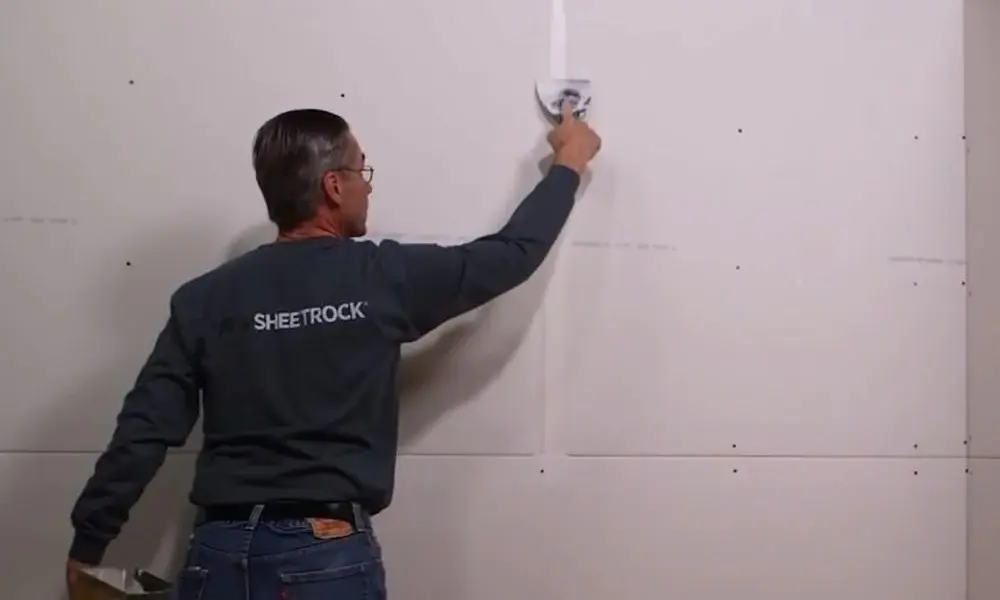
What Should You Look for in a Crack Resistant Joint Compound?
The right joint compound should provide a good balance of adhesion, workability, strength, and finishing performance.
Strong Adhesion to Joint Tape
For the first coat, reliable tape adhesion is particularly important. The compound needs to hold the tape securely and create a solid foundation for the following coats.
LONZONE's Base Coat is a setting-type jointing compound developed for the first and second coats of a three-coat plasterboard jointing system. It is designed to provide high bonding strength and strong tape adhesion while remaining easy to apply and sand.
Good Bonding Performance
A joint compound with good adhesion helps reduce the risk of weak spots forming along the joint. This is especially important on large drywall installations where hundreds of joints may need to remain stable through changes in the indoor environment.
Easy Application and Sanding
Crack resistance is important, but contractors also need a product that works efficiently on site. A compound that spreads smoothly and sands easily can help installers achieve a consistent finish without unnecessary rework.
For commercial and large-scale projects, application efficiency can have a significant impact on overall labor costs and project schedules.
Where Is Crack Resistant Joint Compound Used?
A reliable jointing system is particularly useful in projects where drywall joints need to remain stable and visually clean after finishing.
Drywall and Plasterboard Walls
Drywall partitions and ceilings depend on properly treated joints to create a continuous surface. A typical three-coat system uses a base coat to embed the tape, a second coat to build up the joint, and a finishing compound to create the final surface.
For this type of application, LONZONE's drywall finishing solution combines Base Coat with Topping or All-Purpose compounds for a complete three-coat jointing approach.
Commercial and High-Traffic Buildings
Offices, hotels, schools, retail spaces, and other commercial buildings often have large areas of plasterboard. Even small cracks can become obvious after painting, particularly under strong lighting.
Using a consistent jointing system can help contractors maintain a more uniform finish across large areas while reducing the need for repairs.
Lightweight Wall Systems
Gypsum boards and lightweight wall panels are widely used because they can simplify installation and reduce structural loads. However, the joints still need to be properly reinforced and finished.
The joint compound should be selected based on the substrate, joint construction, environmental conditions, and required finish—not simply because the product is marketed as "crack resistant."
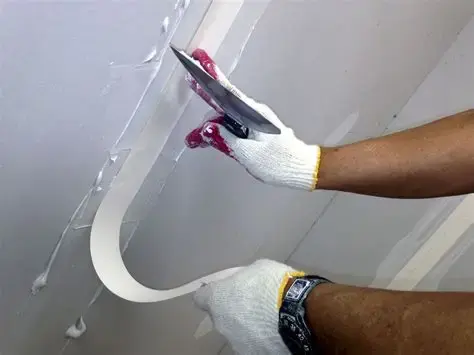
How to Reduce Joint Cracking: Use a Complete System
The best results usually come from using compatible materials throughout the jointing process.
A typical three-coat system includes the following steps.
Apply the Base Coat and Embed the Tape
The first coat creates the bond between the board and the joint tape. Apply enough compound to fully embed the tape without leaving air pockets or weak areas.
Apply the Second Coat
Once the first coat has set, apply the second coat to build up the joint and create a smooth transition between the seam and the surrounding board.
Apply the Finishing Coat
The final coat is used to refine the surface and prepare it for sanding, priming, and decoration. A suitable topping compound can help achieve the smooth appearance required for painted walls and ceilings.
This approach is more reliable than trying to prevent cracking simply by applying a thicker layer of joint compound. Each layer has a specific function, and the performance of the finished joint depends on how well the layers work together.
For projects that require a coordinated drywall finishing system, explore LONZONE's drywall finishing solution to see how Base Coat and finishing compounds can be used together.
How to Choose the Right Joint Compound for Your Project
Not every construction project has the same requirements. Before selecting a joint compound, consider:
Substrate: Is the compound compatible with the plasterboard, gypsum board, or wall panel being used?
Joint reinforcement: Does it provide reliable adhesion to the selected joint tape?
Application: Is it suitable for the installation method used by your crew?
Coat compatibility: Can it be combined with the finishing compound specified for the project?
Site conditions: Will the joints be exposed to changes in temperature, humidity, vibration, or other sources of movement?
Finish requirements: Will the surface be painted, textured, or covered with another decorative finish?
LONZONE Base Coat for Plasterboard Jointing
LONZONE develops and manufactures building materials for wall and finishing applications, including gypsum-based mortars, ready-mixed mortars, ALC panels, lightweight aggregate panels, and aerated concrete blocks.
Its Base Coat is a setting-type jointing compound designed for plasterboard applications. It is intended for the tape coat and second coat in a three-coat jointing system, helping installers build a strong joint before applying the final finishing coat.
The product is formulated for smooth application, strong bonding, good tape adhesion, and easy sanding—key considerations when working on large drywall projects.
To learn more about the product and its recommended application, visit LONZONE Base Coat.
Build Crack Resistance Into the Jointing Process
A crack resistant joint compound can help improve the durability of drywall joints, but no compound can compensate for poor installation or movement in the underlying structure.
The more effective approach is to build crack resistance into the entire jointing process: prepare the substrate properly, use suitable reinforcement tape, apply compatible coats at the recommended thickness, and allow each layer to set or dry as required.
For drywall and plasterboard projects, a well-designed three-coat system provides a practical way to achieve strong, stable joints and a smooth finished surface.
With experience in gypsum-based building materials and wall-system products, LONZONE provides jointing and finishing materials designed to support different construction requirements. Learn more about LONZONE's building material solutions.


